
Does Zinc Alloy Tarnish? Here’s Everything You Should Know
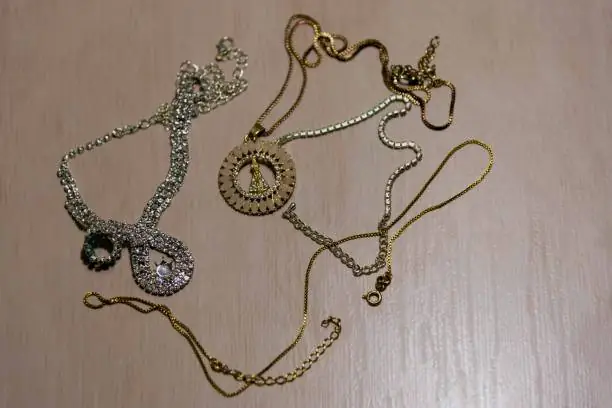
Have you ever purchased a piece of jewelry or a decorative item labeled as zinc alloy and wondered about its longevity? It’s common to come across zinc alloy in fashion accessories, electronics, and hardware. But one question persists: does zinc alloy tarnish?
Let’s explore what zinc alloy is, how it behaves over time, whether it tarnishes, and how to care for it.
What Is Zinc Alloy?
Zinc alloy refers to a family of metal mixtures where zinc is the primary component. To improve strength, durability, and appearance, it’s usually combined with other metals such as:
- Aluminum
- Copper
- Magnesium
- Nickel
This combination results in a versatile material that’s widely used in manufacturing, particularly in cost-effective jewelry, die-cast products, and household fixtures.
Does Zinc Alloy Tarnish?
Yes, zinc alloy can tarnish over time, but the process and appearance vary based on its composition and environment.
Unlike gold or stainless steel, zinc alloy is more reactive to moisture, air, and chemicals. As a result, it may:
- Oxidize – a natural reaction with oxygen, forming a dull or whitish film
- Corrode – if exposed to water and acidic conditions over time
- Discolor – due to sweat, lotions, or perfumes interacting with the surface
However, not all zinc alloys tarnish quickly. Much depends on the quality of the alloy, any coatings used, and how it’s maintained.
Factors That Affect Tarnishing

Understanding what causes zinc alloy to tarnish helps you protect your items better. Here’s what influences it:
1. Exposure to Air and Moisture
Zinc alloys exposed to humid environments will oxidize faster. The metal reacts with air and moisture, causing visible tarnish.
2. Body Oils and Sweat
When worn as jewelry, zinc alloy comes in contact with sweat and skin oils, which can accelerate discoloration or greenish deposits.
3. Chemical Products
Perfumes, lotions, detergents, and cleaning agents can all affect the metal’s surface, leading to corrosion or dark spots.
4. Coating Quality
Some zinc alloy items are plated or sealed with protective coatings (e.g., gold plating, lacquer) which delay tarnishing. However, once the coating wears off, tarnishing begins faster.
How Fast Does Zinc Alloy Tarnish?

The timeline varies:
- Uncoated zinc alloy may start tarnishing within a few weeks of regular use.
- Coated or lacquered zinc alloy can maintain its shine for months or even years, depending on care and quality.
So, does zinc alloy tarnish quickly? It can—but proper protection makes a noticeable difference.
How to Prevent Zinc Alloy from Tarnishing
Taking proactive steps helps extend the life and appearance of your zinc alloy items:
- Avoid moisture: Keep items dry. Remove jewelry before swimming, bathing, or exercising.
- Store properly: Use airtight containers or anti-tarnish pouches to limit exposure to air.
- Clean regularly: Gently wipe with a soft cloth after use to remove oils and sweat.
- Use protective sprays: Anti-tarnish sprays or clear nail polish can form a barrier on the metal.
- Keep away from chemicals: Don’t spray perfume or use lotions directly on zinc alloy products.
How to Clean Tarnished Zinc Alloy
If your zinc alloy item has already started tarnishing, here’s how you can clean it:
- Mild Soap and Water
- Mix a drop of dish soap with warm water.
- Dip a soft cloth and gently rub the tarnished areas.
- Rinse with clean water and dry thoroughly.
- Vinegar and Baking Soda
- Make a paste using vinegar and baking soda.
- Apply with a soft brush, gently scrub, and rinse.
- Not suitable for plated items—test on a small area first.
- Jewelry Cleaning Cloth
- Specially designed cloths can remove light tarnish and polish the surface.
Always avoid abrasive cleaners, which can damage the coating or base metal.
Is Zinc Alloy Good for Jewelry?

Zinc alloy is widely used in costume jewelry due to its affordability, lightweight nature, and ability to be molded into various designs. While it may not last as long as precious metals, it offers:
Pros:
- Cost-effective
- Lightweight and versatile
- Can mimic more expensive metals
- Often nickel-free (hypoallergenic variants exist)
Cons:
- Prone to tarnish if uncoated
- May cause skin reactions in sensitive individuals
- Limited lifespan with daily wear
So, while it may not be a forever piece, it’s an excellent option for trendy, affordable accessories.
Final Thoughts
So, does zinc alloy tarnish? Yes, especially when exposed to moisture, chemicals, and wear. However, with proper care and the use of protective coatings, you can significantly delay the tarnishing process and keep your items looking great for a long time.
Zinc alloy might not replace gold or sterling silver, but it remains a practical and stylish choice—as long as you understand how to maintain it.
Looking for longevity? Go for plated or lacquered zinc alloy and follow proper maintenance tips.