
How Do You Play Go Fish? The Ultimate Guide to Mastering This Classic Card Game
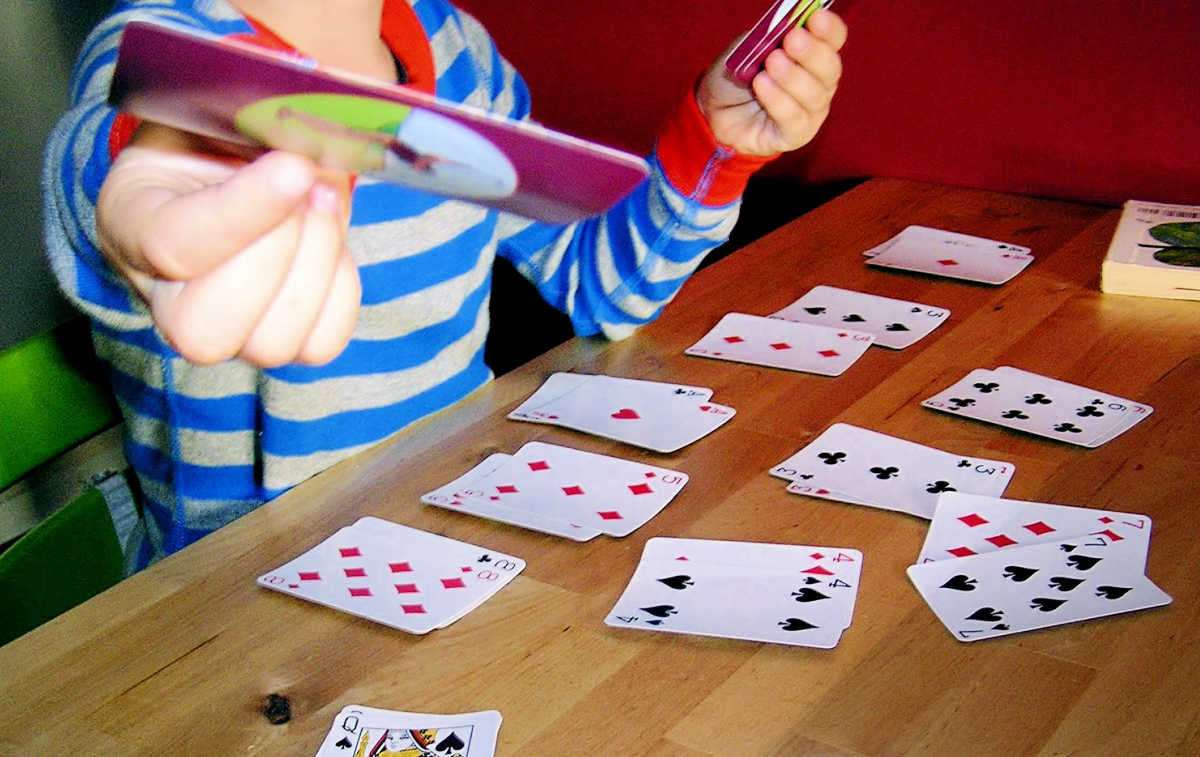
Some games come and go—but Go Fish is a card game that has stood the test of time. What appears to be a lighthearted children’s pastime is, in fact, a timeless blend of strategy, memory, and luck that people of all ages enjoy. Whether you’re a parent looking for a fun, educational game for your kids, or an adult craving a nostalgic throwback to rainy days and road trips, learning how to play Go Fish is worth your time.
In this post, we’ll break down everything you need to know—from rules and setup to strategies, variations, and learning benefits—so you never have to wonder again: How do you play Go Fish?
Game Essentials: What You Need to Start
Before diving into the rules, gather your materials:
- A standard 52-card deck (no jokers)
- 2 to 6 players (ideal with 3–5)
- A flat surface or table
- A desire to have fun—and win!
Optional:
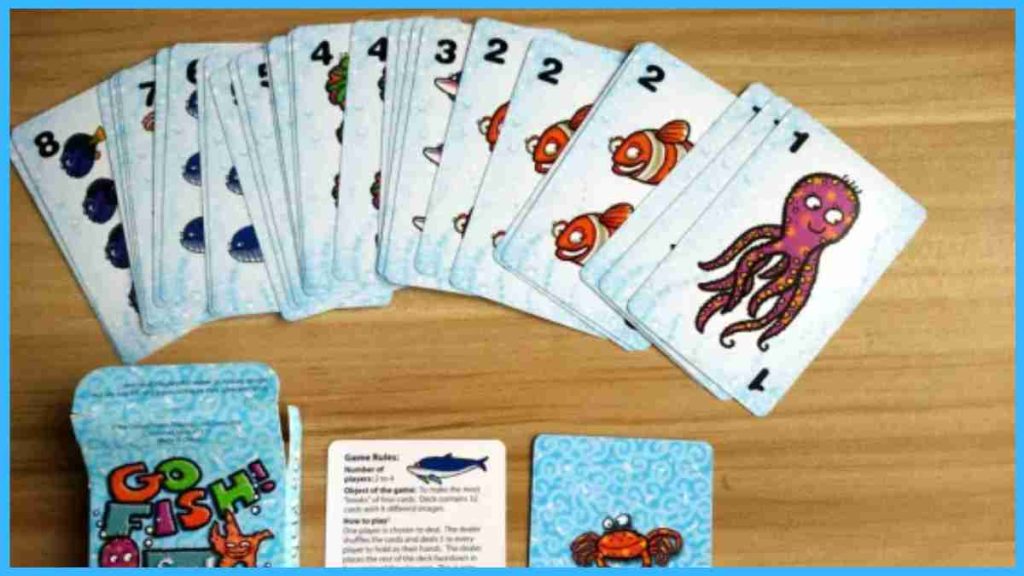
If playing with younger children, you can use a Go Fish-themed deck (featuring animals or objects) for visual learning and added fun.
Objective of the Game
The goal of Go Fish is to collect “books”—sets of four cards of the same rank (like four 7s or four Kings). The player with the most books at the end of the game wins.
How Do You Play Go Fish? (Step-by-Step Instructions)
Step 1: Deal the Cards
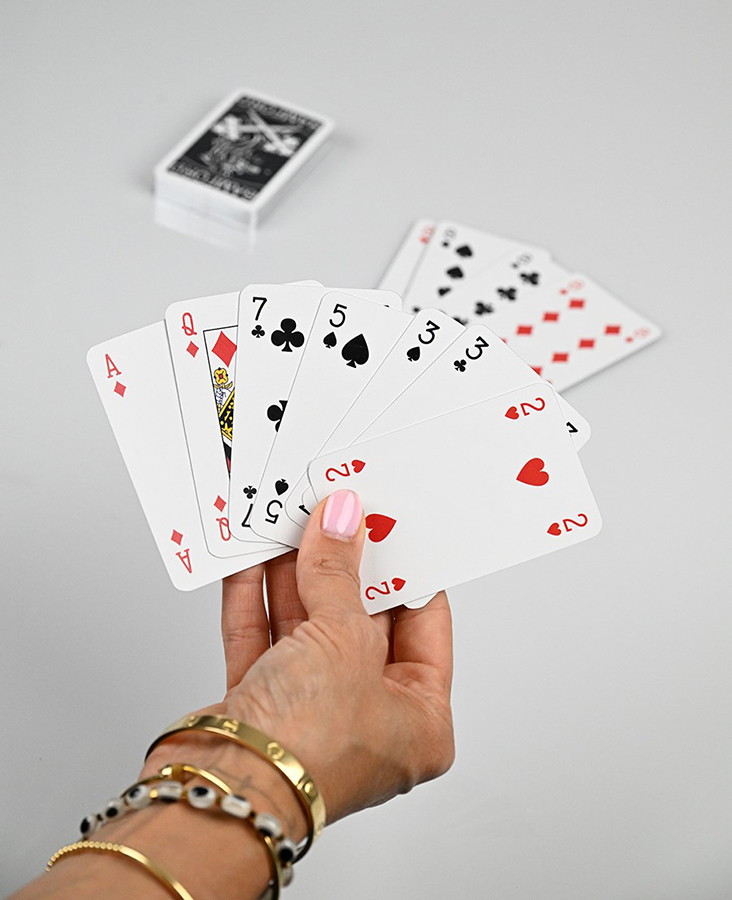
- 2–3 players: Deal 7 cards to each player.
- 4–6 players: Deal 5 cards each.
- Place the rest of the deck face-down in the center—this is the “fishing pond.”
Step 2: Organize Your Cards
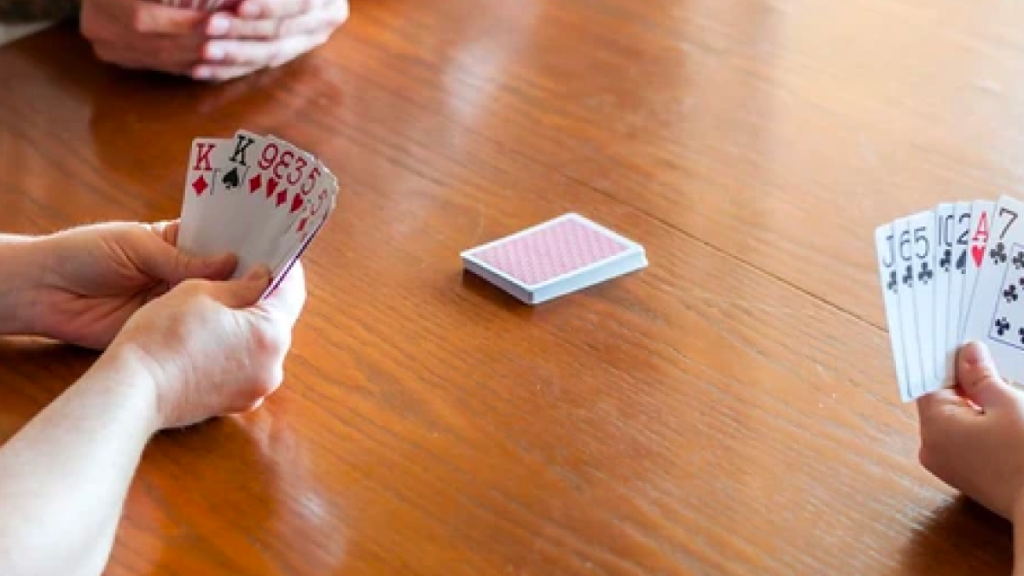
Players should organize cards by rank but keep their hands hidden. It helps to group like ranks together for easier gameplay.
Step 3: Start the Game

The player to the dealer’s left goes first and asks one player:
“Do you have any threes?”
To ask for a card rank, you must already have at least one card of that rank.
Step 4: The Answer
- If the opponent has the card(s), they must give you all of that rank.
- If they don’t, they say, “Go Fish!”, and you draw the top card from the pond.
Step 5: Make a Book
Whenever you collect four cards of the same rank, lay them down in front of you face-up as a “book.”
Step 6: Keep or Pass Turn
- If your draw from the pond is the card you asked for, you get another turn.
- If not, your turn ends and the next player goes.
Step 7: End of the Game
The game ends when:
- All 13 books are made, OR
- All cards have been drawn and no further moves can be made.
Count each player’s books—the player with the most wins.
Strategies to Improve Your Chances of Winning
Even though Go Fish is simple, smart gameplay can give you an edge. Here are some useful tips:
1. Pay Attention to Questions
What others ask tells you what they’re collecting. Use that to predict their hand and make smarter moves.
2. Don’t Be Predictable
Avoid asking for the same rank repeatedly. If other players realize what you’re after, they may block your efforts.
3. Use Memory Wisely
Remember who asked for what, and track who may have the card you need.
4. Manage the Pond
Late in the game, the pond becomes a wildcard. Weigh the risk of fishing against asking a well-timed question.
Go Fish Variations to Try
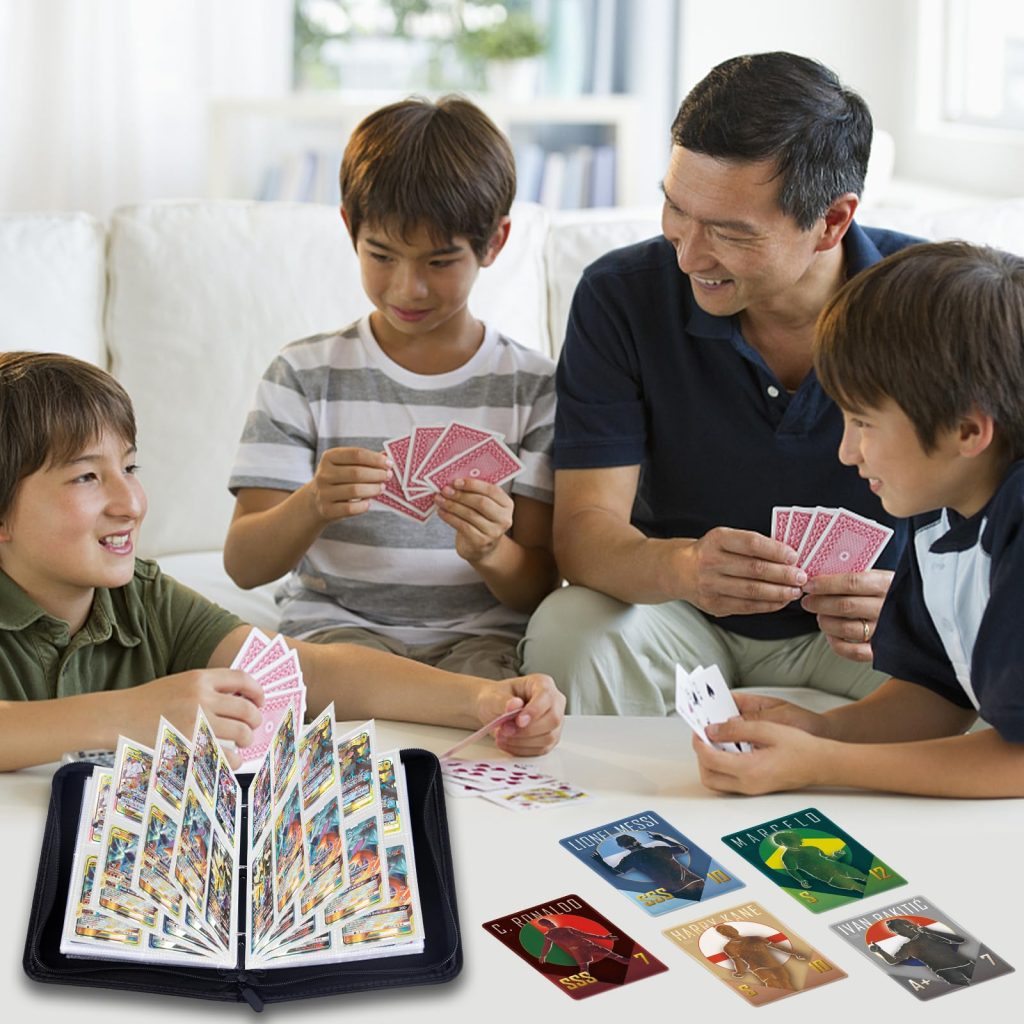
To keep the game fresh, consider playing these popular variations:
- Continuous Play: If you draw the card you ask for, you can keep going until you fail.
- Team Play: Pair up players and share strategies silently.
- Extended Decks: Use two decks for large groups or longer games.
Educational Value of Go Fish
This game isn’t just for fun—it offers learning benefits:
- Memory and recall: Players remember who asked for what cards.
- Number recognition: Especially for kids learning numbers and counting.
- Turn-taking and patience: Great for developing social skills.
- Strategic thinking: Helps in forming predictions and decisions.
Common Mistakes to Avoid
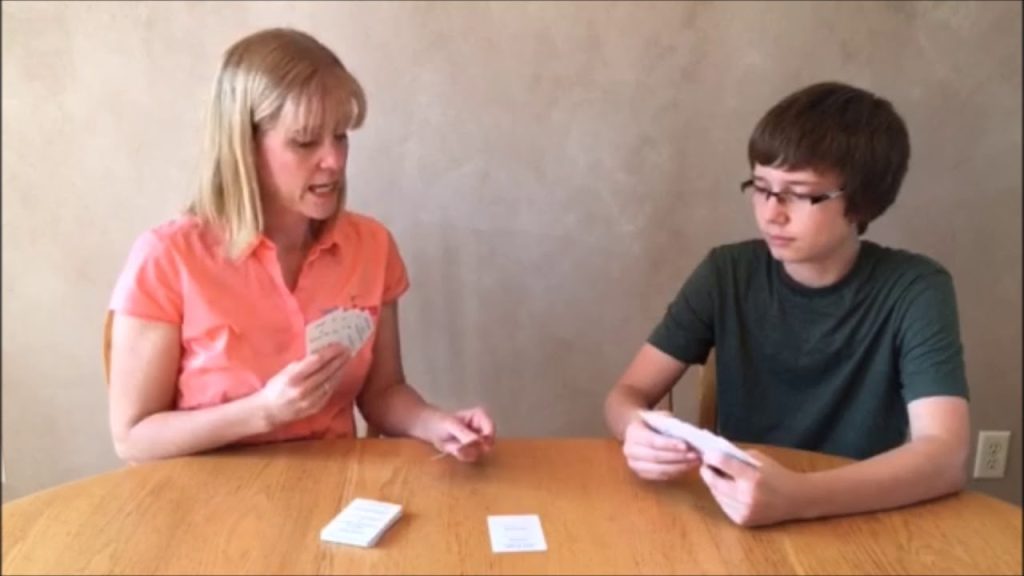
Avoid these beginner blunders:
- Asking for a card you don’t have: Not allowed.
- Not keeping track of previous plays: You’ll lose an easy advantage.
- Ignoring who’s running out of cards: Timing matters; play smart as the deck empties.
Who Can Play Go Fish?
The beauty of Go Fish is its universal accessibility:
- Great for kids aged 4+
- Perfect for family game nights
- Fun for traveling and waiting rooms
- Easy to play with any group of friends or siblings
No board. No batteries. Just a deck of cards and a few minutes of your time.
Final Thoughts
So now you know the answer to “how do you play Go Fish?”—and hopefully, much more. This isn’t just a card game; it’s a blend of luck, memory, and social interaction that keeps players of all ages engaged. From family bonding to sharpening young minds, Go Fish delivers value beyond its simplicity.
Whether you’re teaching it to your kids, playing with friends on a weekend getaway, or reliving your childhood one card at a time—Go Fish is always a good catch.