
How Does Ben Stace Do Semantic SEO? A Deep Dive into Modern SEO Mastery

In a world flooded with generic content and keyword stuffing, one name in the SEO sphere continues to spark interest—Ben Stace. But what’s all the buzz about? Why are digital marketers and SEO professionals so intrigued by how Ben Stace does semantic SEO?
If you’re here to decode the method behind his success, understand the logic of semantic SEO, and get inspired by a smarter way to rank websites—stick around. This post uncovers the strategies, mindset, and framework behind Ben Stace’s semantic SEO approach. It’s not fluff—it’s a practical guide to how he connects search intent, entity optimization, topical relevance, and content structure to master rankings.
What Is Semantic SEO?
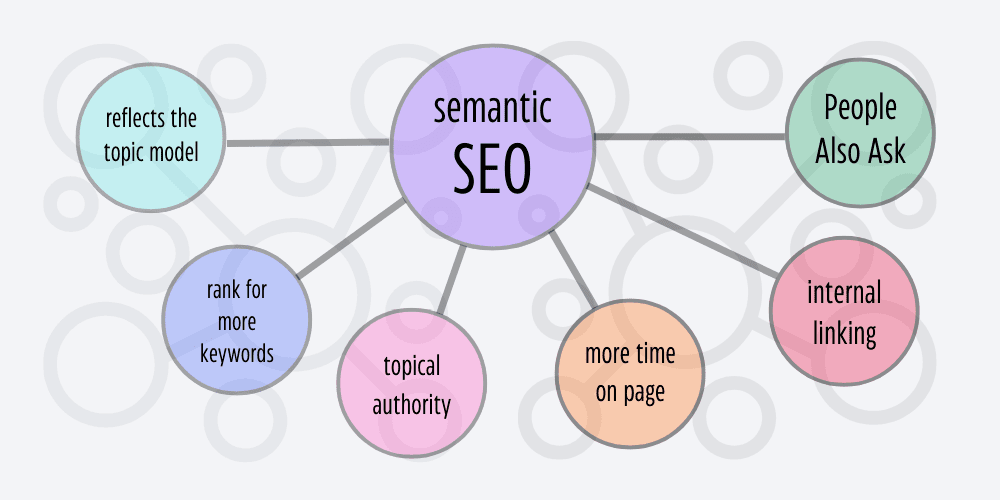
Before diving into Ben’s playbook, let’s clarify what semantic SEO means.
Semantic SEO isn’t just about inserting keywords—it’s about creating contextually rich, deeply connected content that aligns with user intent and search engine understanding. Google is smarter now—it’s powered by NLP (Natural Language Processing) models like BERT and MUM. That means it doesn’t just crawl for words; it understands meaning.
Core principles of Semantic SEO:
- Entity-based optimization (people, places, topics, brands)
- Search intent mapping
- Topical depth and coverage
- Internal linking with context
- Schema markup
- Content structured for NLP models
Ben Stace doesn’t just understand these principles—he builds entire SEO strategies around them.
Who Is Ben Stace and Why Should You Care?
Ben Stace is known in digital marketing circles for being a pioneer of practical semantic SEO. Unlike traditional SEOs who chase backlinks or keywords, he dives into semantic relationships between content, entities, and user questions.
He’s not the loudest voice on social media, but if you’ve come across his work or strategies, you’ll see that he favors depth over hype—his SEO tactics are detailed, logical, and tailored for both Google and human understanding.
1. Starting with Entities, Not Keywords
Most SEO strategies begin with keyword research. Ben flips this.
He starts with entities—the fundamental “things” in a topic that Google understands.
Example:
If you’re writing about “Tesla cars,” the entities would include:
- Tesla, Inc. (brand)
- Elon Musk (person)
- Electric Vehicles (category)
- Autopilot (feature)
- Lithium-ion batteries (component)
Ben builds a semantic map of entities and their relationships, which becomes the blueprint for:
- Clustering content
- Answering related questions
- Structuring internal links
This builds authority and relevance faster than chasing isolated keywords.
2. Building Topical Authority with Semantic Clusters
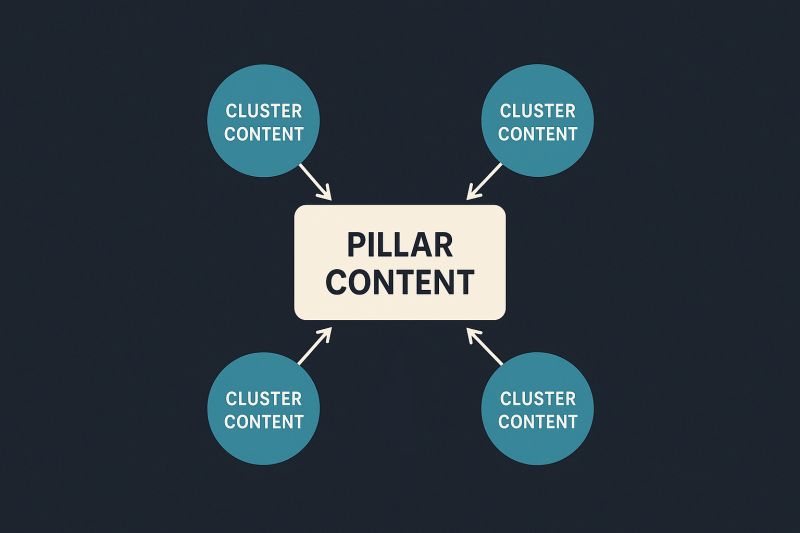
One blog post won’t help you rank for competitive topics.
Ben Stace focuses on semantic topic clustering—creating multiple pieces of content that cover every sub-topic and search intent around a theme.
For example, on the topic of “Digital Marketing”:
- What is digital marketing?
- Types of digital marketing
- Digital marketing vs traditional marketing
- Best tools for digital marketing
- How to start a digital marketing agency
Each piece links to the others, forming a web of related content that:
- Improves crawlability
- Helps Google recognize authority
- Matches multiple user intents
It’s more than interlinking—it’s semantic interlinking, where each piece reinforces the overall meaning.
3. Using Structured Data and Schema the Smart Way
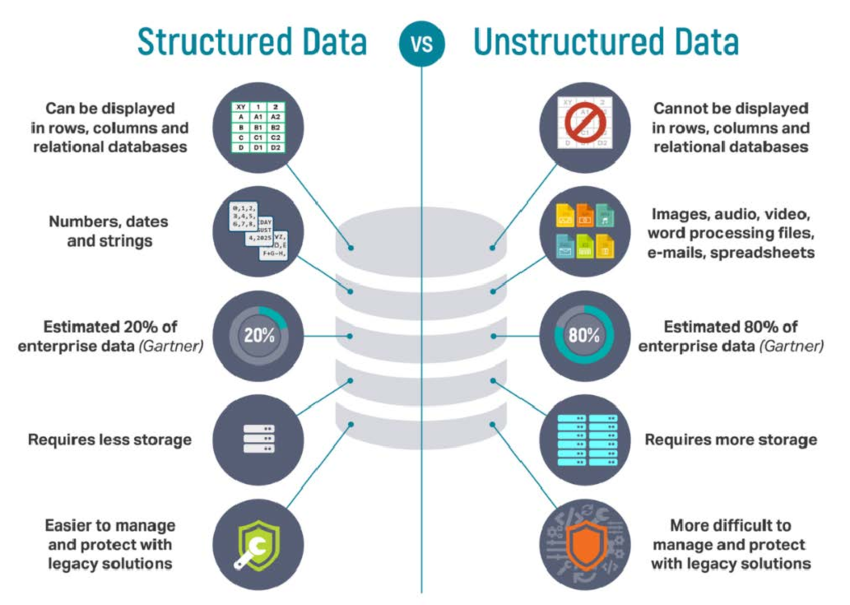
Ben doesn’t use schema just for recipes or reviews. He uses entity-focused schema markup to help Google contextualize the page.
Types he leverages:
- Article schema
- Organization schema
- FAQ schema
- Person schema
- Product schema
- Breadcrumb schema
Each adds machine-readable context that helps search engines display rich results and understand the site’s purpose at a deeper level.
4. Optimizing for Intent Before Keywords
Semantic SEO, as Ben practices, revolves around intent, not volume.
He groups search terms into categories:
- Informational (“How does semantic SEO work?”)
- Navigational (“Ben Stace SEO method”)
- Transactional (“Hire semantic SEO expert”)
Each page he creates is laser-targeted to one intent, with supporting questions and subtopics structured in a way that feels natural but ranks well.
This reduces bounce rate, increases dwell time, and aligns directly with Google’s goals.
5. Combining NLP Tools and Human-Centric Writing
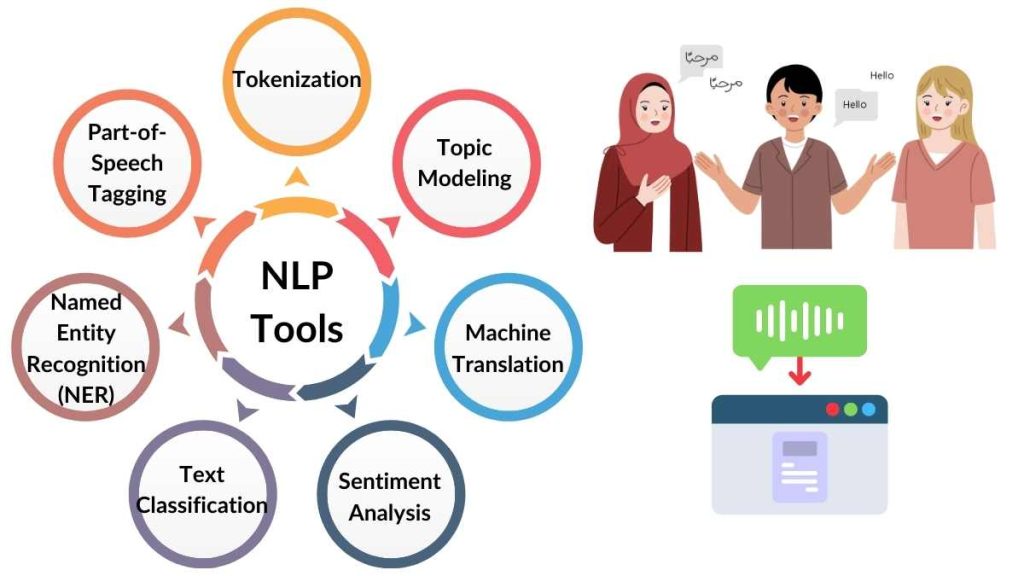
Ben uses NLP tools to understand how Google might interpret content. These include:
- Google NLP API
- On-Page.ai
- Surfer SEO
- MarketMuse
But he doesn’t rely solely on tools.
Once semantic gaps are identified, his writing style ensures:
- Clarity
- Conversational tone
- No fluff
- Informative subheadings
- Bullet points and visuals where needed
The result? Content that satisfies both algorithms and readers.
6. Measuring Semantic SEO Success Differently
Traditional SEOs obsess over:
- Number of backlinks
- Keyword position
Ben measures:
- Entity saturation in top-ranking content
- Growth in topical authority
- Improved click-through rates (CTR)
- Enhanced featured snippets and People Also Ask presence
This shifts the focus from vanity metrics to search performance quality.
7. Answering Real User Questions Intelligently
Semantic SEO thrives on answering related questions. Ben integrates:
- FAQs at the bottom
- “People also ask” type headings
- Long-tail variations
These aren’t stuffed in—they’re written to fulfill layered intent, and often win featured snippets.
It’s like giving Google a buffet of answers—all relevant, clear, and structured.
Why Ben Stace’s Semantic SEO Approach Works in 2025
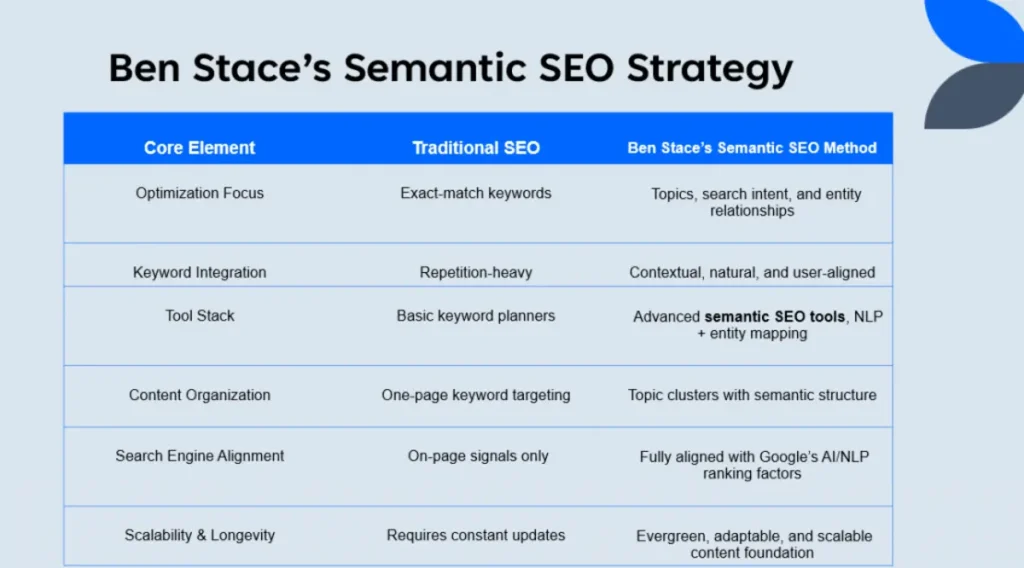
SEO in 2025 is about understanding, not stuffing. As Google continues to evolve with more advanced AI models, semantic relationships and structured content are the future.
Ben’s approach stands out because:
- It mirrors Google’s learning patterns
- It’s adaptable to any industry or niche
- It treats SEO as a science, not guesswork
His method builds long-term organic traffic, not just quick wins.
Final Thoughts
If you’re looking to future-proof your SEO, you must shift from traditional practices to semantic-first thinking. Ben Stace proves that ranking isn’t just about keywords—it’s about meaning, structure, and intent.
Here’s how to apply his methods:
- Think in topics, not just terms
- Map out entity relationships
- Structure content like a knowledge base
- Use schema smartly
- Prioritize real user intent in every piece
- Optimize for featured snippets and contextual linking
Semantic SEO is no longer optional—it’s the foundation of sustainable online visibility. Follow the Ben Stace blueprint, and you’ll stop chasing algorithms and start leading the rankings.