
How Long Can a Tick Live Off a Host? Everything You Need to Know
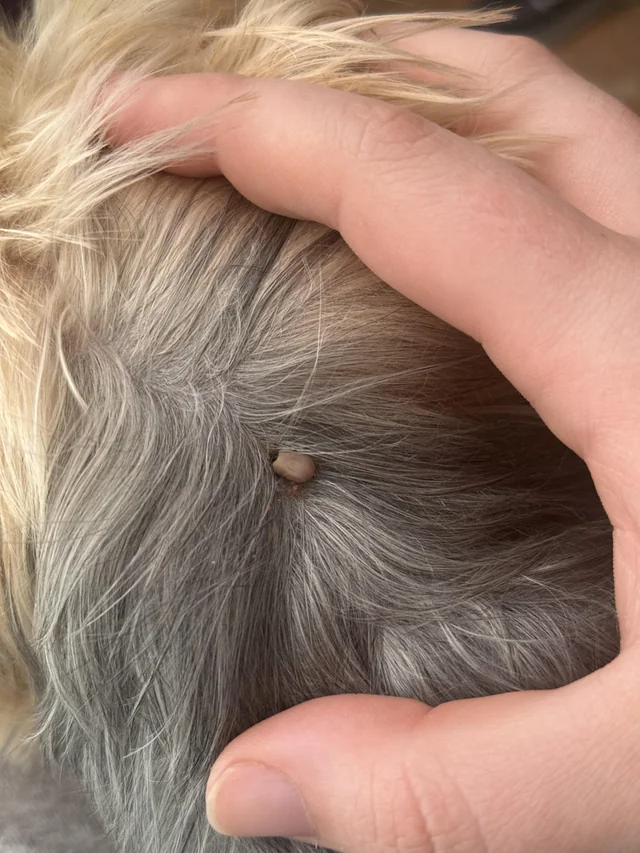
Ever wondered how long a tick can survive without a host? You’re not alone. Whether you’re an outdoor enthusiast, a pet owner, or simply cautious about health risks, understanding tick survival patterns is critical. Ticks may be tiny, but their ability to live and lurk around—waiting for the next warm body—is what makes them a real concern.
In this article, we dive deep into how long ticks can live without a host, what influences their survival, and what that means for you, your family, and your pets.
What Exactly Is a Tick?
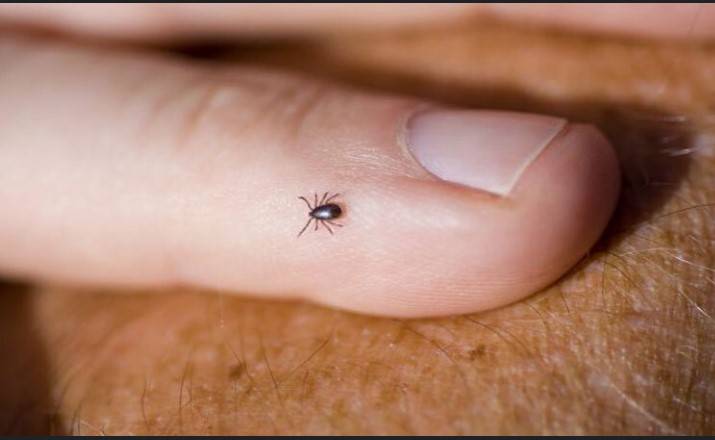
Ticks are small, blood-sucking arachnids, more closely related to spiders than insects. They are parasites that feed on the blood of mammals, birds, and even reptiles or amphibians. They latch onto their host by embedding their mouthparts into the skin and can remain attached for several days.
There are over 800 species of ticks globally, but only a handful are commonly encountered by humans and pets. The most familiar include:
- Deer tick (Black-legged tick)
- Lone Star tick
- American dog tick
- Brown dog tick
Each has slightly different lifespans and survival tactics when off a host.
How Long Can a Tick Live Off a Host?
The lifespan of a tick without a host depends on several factors:
- Species
- Life stage (larva, nymph, adult)
- Humidity and temperature
- Availability of shelter
Let’s break it down by lifecycle stage:
1. Larval Stage (Seed Ticks)
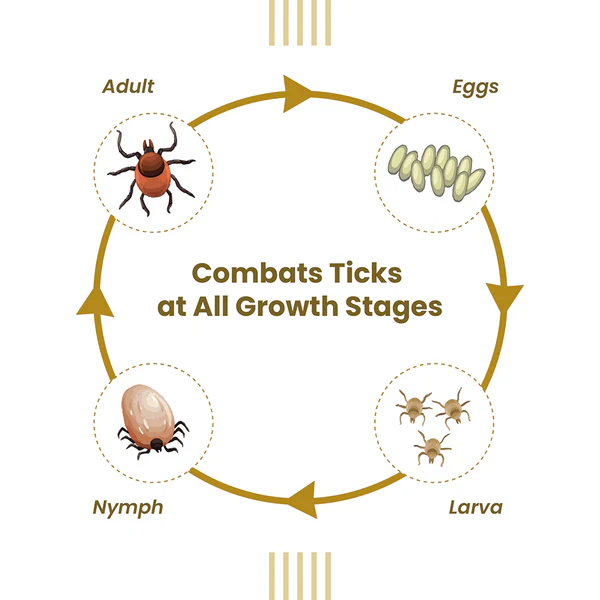
- These tiny six-legged ticks hatch from eggs and are highly vulnerable.
- They can live up to 5 days without a host in ideal conditions.
- If they do not find a blood meal, they die shortly afterward.
2. Nymph Stage
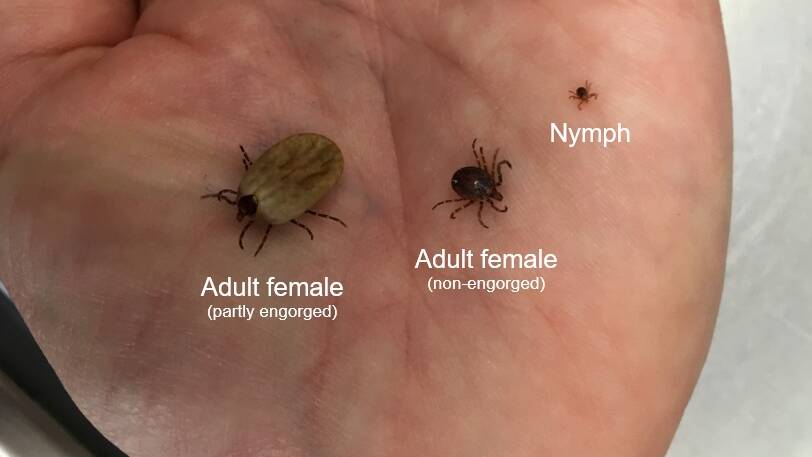
- Nymphs have eight legs and are more developed.
- They can survive several weeks to a few months without feeding, depending on the environment.
- They actively seek hosts but can remain dormant in cracks, grass, or leaf litter.
3. Adult Ticks
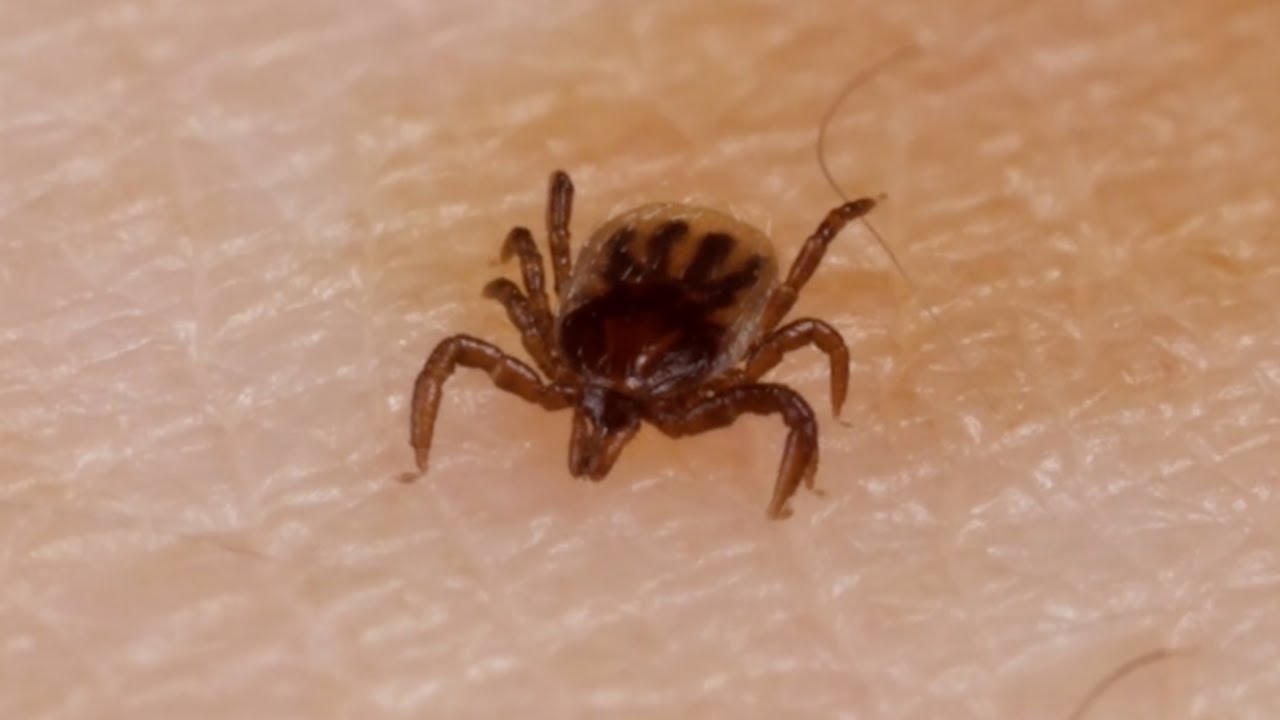
- Adult ticks are the most resilient.
- Depending on species:
- Deer ticks can live up to 1 year without a host in cold, humid climates.
- Brown dog ticks, which adapt to indoor life, can survive several months without a blood meal.
- American dog ticks can last up to 2–3 years in favorable conditions without feeding.
Important: Even though ticks can survive for long periods off a host, they are not actively dangerous unless they latch onto one. However, their long survival time gives them plenty of opportunity to do just that.
What Factors Influence Tick Survival Off the Host?
Several conditions can increase or decrease a tick’s chances of survival off the host:
Humidity
- Ticks need a humid environment to prevent drying out.
- A tick will die faster in dry, hot environments due to dehydration.
Temperature
- Ticks are cold-blooded and can survive freezing conditions by becoming dormant.
- In warm climates, they are more active and require a host sooner.
Shelter
- Ticks seek dark, damp places to hide—such as leaf piles, tall grass, cracks in walls, or pet bedding.
- The more sheltered the spot, the longer they can wait undisturbed.
Species Adaptability
- Brown dog ticks, unlike most, can complete their life cycle indoors.
- They hide in carpets, furniture, and even walls, increasing survival chances off the host.
Life Cycle of a Tick (Quick Recap)
Ticks go through four stages:
- Egg
- Larva
- Nymph
- Adult
Each of these stages requires at least one blood meal to progress to the next stage, except the egg. This means ticks spend a good portion of their life searching for a host—which explains their ability to survive long periods off a host.
Can Ticks Still Carry Diseases When Not on a Host?
Yes, and that’s the real risk.
Ticks are vectors of diseases, meaning they can carry and transmit serious illnesses such as:
- Lyme disease
- Rocky Mountain spotted fever
- Anaplasmosis
- Babesiosis
A tick may not pose a threat while waiting off-host, but once it finds a human or animal, the bite can transmit these diseases in as little as 24 hours.
Can Ticks Live in Your House Without a Host?
Absolutely—especially brown dog ticks, which can infest homes and go undetected for months.
They don’t require wildlife or forest environments and can breed in carpets, baseboards, or pet areas. If your pet had ticks and you didn’t treat the house, you could face a recurring infestation.
How to Prevent Tick Survival Around You
Here are some smart steps to ensure ticks don’t linger in or around your environment:
Outdoors:
- Mow your lawn regularly
- Clear leaf litter
- Keep woodpiles dry and stacked
- Use tick-repelling landscaping techniques (e.g., gravel barriers)
Indoors:
- Wash pet bedding frequently
- Vacuum carpets and furniture
- Seal wall cracks and baseboards
- Consider pest control if you notice recurring ticks
On Pets & Humans:
- Use vet-approved tick preventives on pets
- Check your body after hiking or gardening
- Wear long sleeves and pants in wooded areas
Tick Survival Table: Quick Reference
| Tick Life Stage | Can Survive Without Host For… | Common Species |
| Larva | 2–5 days | All |
| Nymph | Several weeks to 3 months | Deer, Lone Star |
| Adult | Up to 1–3 years (species-specific) | Deer, Brown Dog |
| Indoors | Months (Brown Dog Tick) | Brown Dog |
| In Cold Weather | Dormant for months | All cold-region species |
Final Thoughts
So, how long can a tick live off a host? The answer varies—from a few days to several years—depending on the species, environment, and life stage. What makes ticks particularly dangerous is not just their ability to live off a host but the diseases they can transmit once they find one.
Awareness is your first line of defense. Keep your environment tick-unfriendly, regularly check yourself and your pets, and never underestimate where these tiny parasites might be hiding.
Being proactive can save you from health complications and persistent infestations. The next time you’re walking through tall grass or playing with your pet—remember, some ticks have been waiting for that moment for months.


