How Long Can Roaches Live Without Food? Unmasking the Survivors in Your Walls

Every house has little stories of roaches crawling around the corners, under the sinks, in the cabinets. They scurry across your floor at night, disappear into cracks before you can blink, and somehow always seem one step ahead. Cockroaches aren’t just creepy—they’re unbelievably resilient. And when you’re trying to get rid of them, the first question that comes to mind is often: how long can roaches live without food?
The answer might shock you. These unwelcome invaders can survive under harsh conditions that would starve out most pests. Understanding their survival instincts is key to outsmarting them and reclaiming your home. Let’s take a closer look at just how long cockroaches can last without food—and why they’re so difficult to eliminate.
So, How Long Can Roaches Live Without Food?
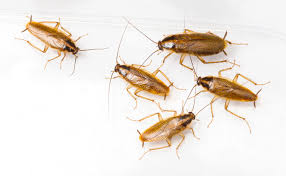
Most adult cockroaches can live without food for up to one month. That’s right—30 days or even longer in some species. Isn’t it strange? But before you assume they’ll eventually die off if you cut off their snack supply, there’s more to consider.
Their survival time depends on:
- Species of cockroach
- Temperature and humidity
- Availability of water
- Access to non-food organic matter
Some species, like the German cockroach, tend to live slightly shorter without food, while American cockroaches and Oriental roaches are known to push the limits of starvation longer.
Water Is a Bigger Threat Than Hunger

Roaches can survive without food but not without water. While roaches are highly tolerant of food scarcity, they are far less tolerant of dehydration. Most roaches can survive only about a week without water. That’s why they’re often found near pipes, sinks, and drains.
So if you’re cutting off food but still leaving water sources open (like dripping faucets or pet bowls), your battle isn’t over. Roaches will hang around much longer if they have access to moisture.
What Counts as “Food” to a Roach?
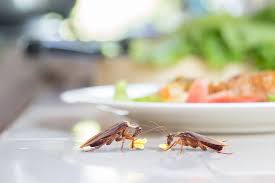
Here’s the disturbing truth: roaches are not picky eaters. Their definition of food is broader than you might think:
- Grease splatters and crumbs
- Pet food
- Dead skin cells or hair
- Soap residue and toothpaste
- Cardboard or paper products
- Even the glue on book bindings
In other words, a roach can find sustenance where you see nothing suitable for eating at all. That’s what makes total elimination through starvation nearly impossible without a full clean-up strategy.
How Roaches Survive Long Periods Without Food
Cockroaches are built for survival:
- Slow metabolism: They can preserve energy and decrease bodily functions during periods of insufficiency.
- Cold-blooded: They don’t need to burn calories to regulate body temperature, unlike warm-blooded animals.
- Hiding instincts: They stay out of sight during food shortages, reducing movement and conserving energy.
All of this allows them to ride out periods of famine until new food sources emerge.
Why Starving Roaches Isn’t a Reliable Solution
If you’re hoping to starve them out by removing food, think again. Roaches can:
- Feed on tiny, unnoticeable remains
- Survive on non-food materials
- Move to new areas in search of food
- Reproduce quickly once they find food again
In fact, even if a few die off, others may lay eggs before their demise, creating future generations ready to wait out the next food shortage.
What Actually Works to Get Rid of Them
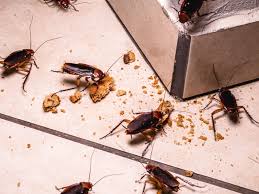
To successfully manage a cockroach infestation, you need a full strategy:
- Eliminate food sources: Sweep, mop, clean up crumbs, store food in airtight containers
- Cut off water: Fix leaks, dry sinks and tubs, remove standing water
- Declutter: Remove cardboard boxes, paper stacks, and fabric piles where roaches may hide or feed
- Use traps or bait stations: Especially near cracks, behind appliances, or under sinks
- Seal entry points: Cracks in walls, baseboards, or plumbing gaps should be sealed off
- Stay consistent: One-time cleanups rarely solve the problem—routine maintenance is key
Final Thoughts
So, how long can roaches live without food? Up to a month—sometimes more. But even more critical is this: they can only last a week without water, and they’ll eat almost anything to survive.
Understanding their survival timeline is important, but beating roaches requires more than waiting them out. It demands a proactive, sustained approach that addresses food, water, hiding spots, and reproduction. The good news? With consistency and proper tactics, you can take control of your space again—and leave roaches nowhere to run or feed.