
How long do Flower last? Lifespan, Care Tips & Ways to Keep Them Fresh
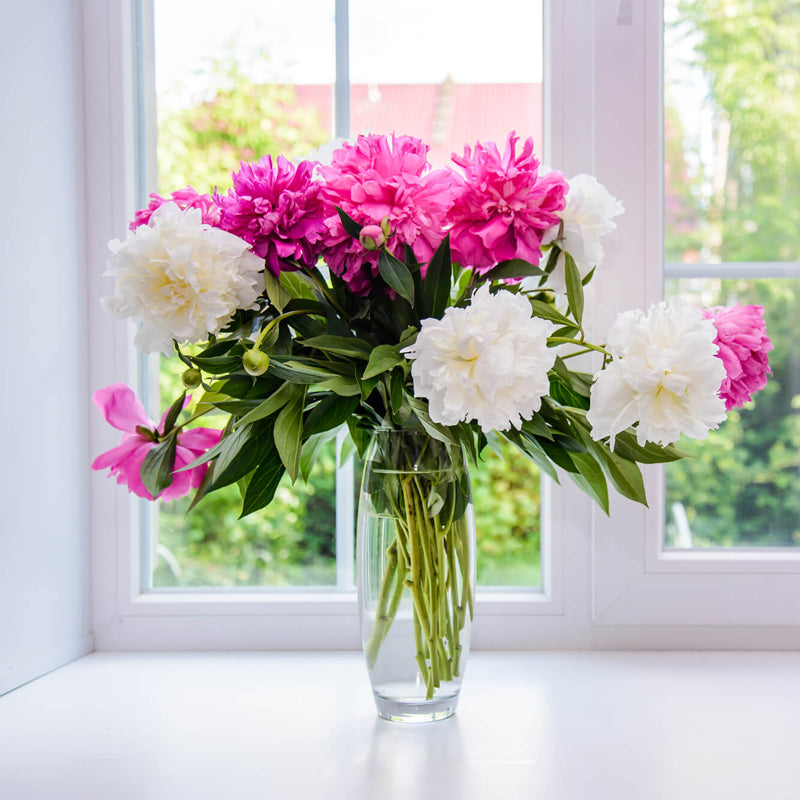
Unveiling the Lifespan of Nature’s Most Beautiful Gift
Have you ever received and bouquet so beautiful you wished it would last forever? Whether it’s a romantic gesture, a birthday surprise, or just a way to brighten someone’s day, flowers are a timeless symbol of love, appreciation, and beauty. But one common question arises in every flower lover’s mind – how long do flowers last?
The answer isn’t simple as you might think. The lifespan of flowers depends on several factors: the type of flower, how they’re cared for, how they were cut, and even where they’re displaced.
Let’s dig into the details and learn how to make those blooms last as long as possible:
Fresh-Cut Flowers: What’s the Average Lifespan?
Generally, fresh-cut flowers last between 5 to 14 days. However, some varieties can last longer than others.
Here’s a quick breakdown of a popular flowers and their average vase life:
| Flower Type | Average Lifespan |
| Roses | 7–12 days |
| Tulips | 5 –7 days |
| Lilies | 8−14 days |
| Daisies | 7−10 days |
| Orchids | 14−21 days |
| Carnations | 14−21 days |
| Sunflower | 6−12 days |
| Peonies | 5−7 days |
| Hydrangeas | 5−10 days |
| Chrysanthemums | 10−14 days |
While these are just average estimates, you can prolong the life of any bouquet with right care.
What Affects How Long Flower Last?
Several factors play a major role in how long flowers remain vibrant.
Understanding these can help you extend their lifespan:
1. Type of Flower:
Different species have different natural lifespan. Hardly flowers like carnations and chrysanthemums naturally outlast delicate ones like peonies and tulips.
2. Cut and Harvesting Time:
Flowers that are cut at the right stage of bloom – not too tight, not too open – tend to last longer. Commercial florists are trained to cut them at the optimal time for longetivity.
3. Water Quality:
Clean and fresh water is vital for flowers. Bacteria in dirty water quickly decompose stems and shorten bloom life.
4. Temperature and Humidity:
Flowers prefer a cool environment. Heat and direct sunlight cause them to wilt faster. Humid conditions can also lead to mold or mildew, especially in dense bouquets.
5. Care Routine:
Daily maintenance like trimming stems, removing dead leaves, and changing water significantly boosts flower health and shelf life.
Important Note: By understanding these key factors, you can turn a short-lived bouquet into a lasting memory full of color, fragrance, and beauty.
How long do Flowers Last Without Water?
If you’re planning to gift or transport flowers, you might ask, “How long do flower last without water”? Most flowers can survive 2 to 4 hours without water – sometimes longer in cooler environments. Wrapping the stems in wet paper towels and storing them in a cool place can preserve their freshness temporarily.
How long do Dried Flowers Last?
Dried flowers are the perfect solution for long-term enjoyment. While they lose their fragrance and softness, they retain beauty for much longer. On average, dried flowers last between 1 to 3 years – or even longer if handled and stored with care. Keep them in a dry, cool room away from sunlight to prevent color fading or brittleness.
How long do Potted Flowers Last?
Potted flowers, being living plants, can thrive for months or even years.
Their lifespan depends on:
- Plant species
- Pot size and drainage
- Light exposure
- Soil nutrients
- Regular watering and fertilizing
Indoor flowering plants like African violets, orchids, and peace lilies can bloom several times a year if properly maintained.
Tips to Make your Flowers Last Longer:
Now that we know what affects flower longevity, how long flowers last without water do, dried, and potted flowers.
Let’s look at some proven tips to keep them looking fresh and fabulous:
1) Trim the Stems:
Cut 1−2 inches off the stems at a 45-degree angle before placing them in water. This increases surface area for water absorption and prevents the stem from resting flat against the vase bottom.
2) Change the Water Daily:
Fresh water = happy flowers. Rinse the vase and replace the water every 24 hours to prevent bacterial buildup.
3) Add Flower Food:
Most bouquets come with a packet of flower food. Use it! It contains sugar for energy, acid for proper pH balance, and bleach tom prevent bacteria.
4) Remove Foliage Below Water Line:
Leaves submerged in water rot quickly and promote bacterial growth. Strip away any leaves that fall below the water line.
5) Keep Them Cool:
Avoid placing flowers near heat sources, direct sunlight, or appliance like TVs and computers. Cool temperature keeps petals crisp and vibrant.
6) Separate Sensitive Flowers:
Some flowers release ethylene gas, which speeds up aging. Keep sensitive flowers like tulips away from gas-producing ones like daffodils.
How to know when it’s Time to Say Goodbye:
Even with perfect care, flowers eventually fade.
Signs it’s time to let them go include:
- Drooping or transparent petals.
- Strong unpleasant smell.
- Mold or murky water.
- Slimy or mushy stems.
Don’t feel bad! Flowers serve their purpose by bringing joy, and they can still be composted or repurposed as dried keepsakes.
Final Note: Flowers Don’t Last Forever, but Memories Do
While flowers may be fleeting, the emotions they bring can last a lifetime. With proper care and a little attention, you can extend their lifespan and enjoy their beauty for as long as nature allows. Whether you’re decorating your home, surprising someone special, or simply enjoying nature’s charm, remember: the beauty of flowers lies in their fleeting presence.
So while their petals may fade, the joy they bring continues to bloom in the heart!


