
How Long Does a Filling Take? Here’s Everything You Need to Know Before You Sit in the Dentist’s Chair
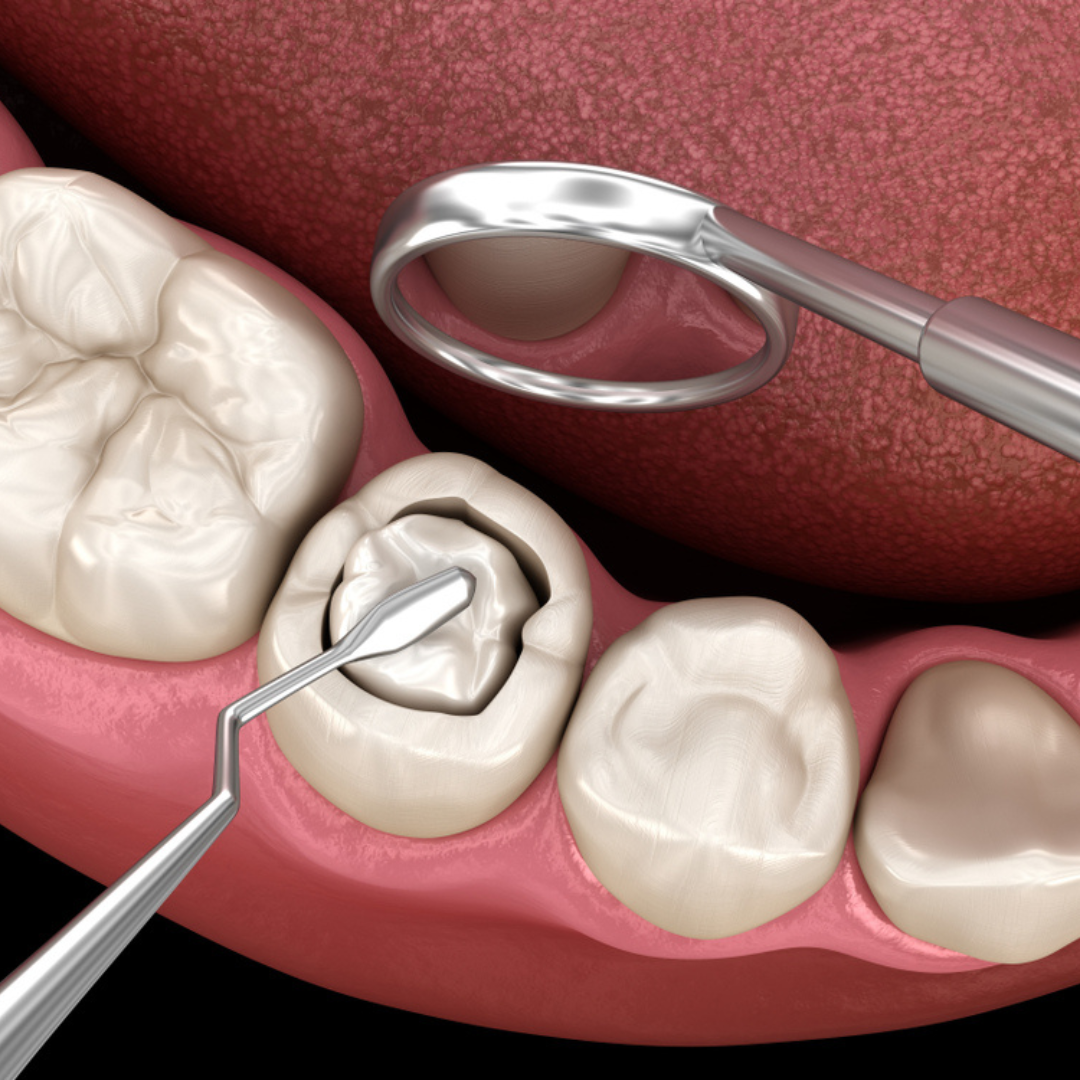
Ever found yourself nervously counting ceiling tiles while reclining in a dentist’s chair, wondering “How long does a filling take?” You’re not alone. Whether you’re new to dental treatments or it’s been years since your last visit, the mystery around dental fillings often leads to anxiety. But here’s the good news — modern dentistry is faster, safer, and more efficient than ever. And yes, getting a filling might not take as long as you think.
In this detailed guide, we’re diving deep into everything you need to know about dental fillings, how long they typically take, what influences the duration, and what you should expect before, during, and after the procedure.
What Is a Dental Filling?
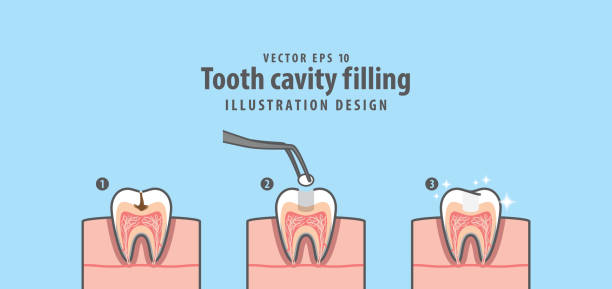
A dental filling is a restorative procedure used to repair a tooth damaged by decay, cracks, or minor wear. The dentist removes the decayed portion and then fills the cleaned-out area with a material like composite resin, amalgam, gold, or porcelain to restore its shape, function, and integrity.
So, How Long Does a Filling Take?
On average, a single filling takes between 20 to 60 minutes.
But that’s a rough estimate. The exact time depends on several factors, including:
- Size and depth of the cavity
- Number of surfaces affected
- Type of filling material used
- Tooth location (front teeth are usually quicker)
- Your cooperation and comfort level
- Dentist’s technique and tools
Let’s explore these aspects more thoroughly.
Factors That Affect the Duration of a Filling
1. Cavity Size and Complexity:
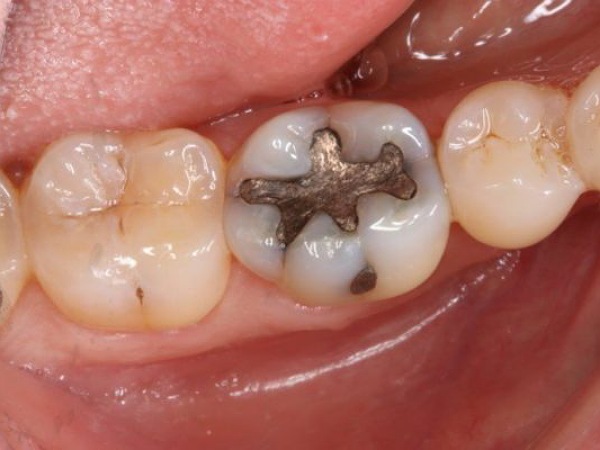
- Small cavities: May only take 15-20 minutes to treat.
- Large or multiple-surface cavities: Can take up to 60 minutes or longer.
Deeper cavities often require more careful cleaning, shaping, and bonding.
2. Tooth Location
- Front teeth are easier to access and often take less time.
- Molars (back teeth) might take longer due to their size and more complex surface structures.
3. Material Used
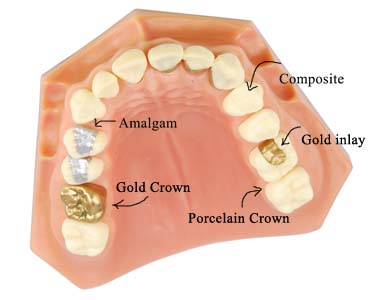
- Composite resin (tooth-colored): Takes longer as it’s applied in layers and cured with a special light.
- Amalgam (silver): Usually quicker to place but less commonly used now.
- Gold or ceramic inlays/onlays: May require two visits and several hours overall, including lab time.
4. Number of Fillings
Getting more than one filling in a single session will obviously increase the overall appointment time. Two fillings might take 60–90 minutes, depending on their location and size.
5. Use of Anesthesia
If you require local anesthesia, factor in about 5–10 minutes just for it to take full effect. After that, the dentist can start drilling and filling.
6. Dentist’s Experience and Tools
Advanced clinics with digital imaging and laser-assisted dentistry may offer faster procedures. An experienced dentist can usually complete the work more efficiently while maintaining high quality.
Step-by-Step Process of a Dental Filling

Understanding the full procedure can help reduce any anxiety and help you plan your day better. Here’s what typically happens:
- Initial Examination & X-Rays
- The dentist examines the tooth and may take an X-ray to assess the extent of decay.
- Anesthesia Administration
- Local anesthesia is applied to numb the area around the tooth.
- Decay Removal
- The decayed area is removed using a drill, laser, or air abrasion tool.
- Tooth Cleaning
- The cavity is thoroughly cleaned to remove debris and bacteria.
- Filling Application
- The selected filling material is applied in layers (for composite), shaped, and hardened.
- Finishing Touches
- The dentist will trim, shape, and polish the filling to ensure your bite feels natural.
- Post-Filling Check
- You’ll be asked to bite gently to confirm alignment. Adjustments are made if necessary.
How Soon Can You Eat After a Filling?
This depends on the material used:
- Composite fillings: You can eat immediately once the numbness wears off.
- Amalgam fillings: Wait 24 hours for the material to fully harden before chewing on that side.
But it’s always wise to avoid hard or sticky foods for the rest of the day just to be safe.
Aftercare Tips
- Avoid chewing hard food until the numbness subsides to prevent accidental biting.
- Maintain good oral hygiene: Brush twice daily and floss.
- Watch for sensitivity: Mild sensitivity is normal for a few days. If it persists beyond a week, consult your dentist.
- Skip extremely hot or cold beverages for the first 24 hours to minimize discomfort.
Warning Signs That Something’s Off
If you experience any of the following after a filling, call your dentist:
- Severe pain or prolonged sensitivity
- High filling causing bite issues
- Cracked or loose filling
- Signs of infection (swelling, fever)
Why It’s Important Not to Delay a Filling
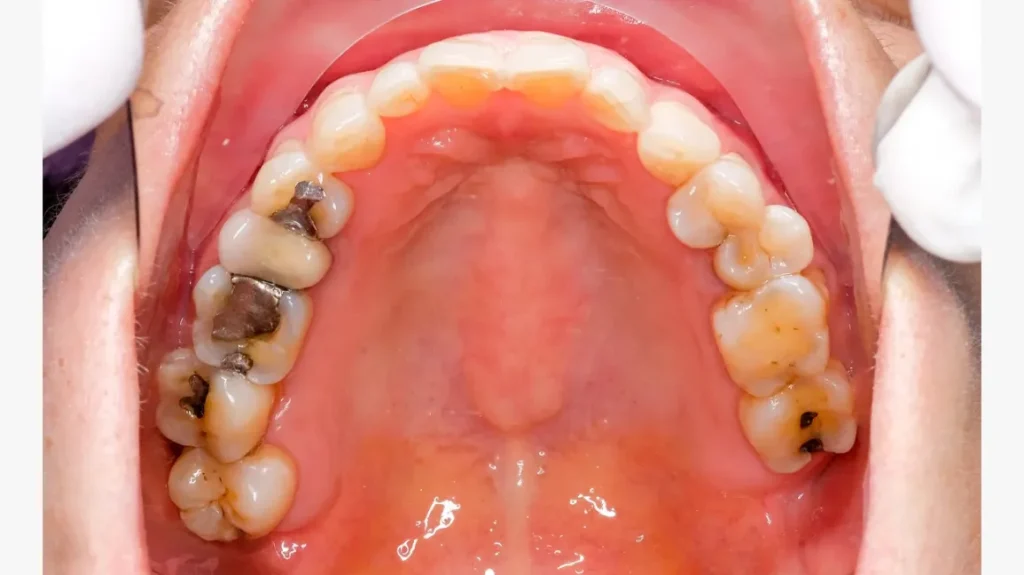
Waiting too long to get a cavity filled can lead to:
- Larger cavities requiring more extensive fillings
- Root canal treatment
- Tooth loss
- Increased dental costs
Early detection and treatment make the filling process quicker and far less expensive.
Final Thoughts
So, how long does a filling take? Typically less than an hour — and sometimes just 20 minutes. But knowing what to expect, from the type of filling to the process itself, can make a big difference in how you feel walking into that appointment.
Dental fillings are a common and necessary part of oral care. They don’t just fix cavities; they protect your teeth from further damage. And with today’s technology, the process is smoother and faster than ever before.
Don’t put off your dental health — a tiny fix today could save you from a major headache tomorrow. Whether it’s your first filling or your fifth, now you know exactly what goes into it — and how long it will (actually) take.


