
How Much Does a Bench Press Barbell Weigh? Everything You Must Know Before You Lift

Walk into any gym, slap some plates on the bar, and press away. Easy, right?
Not so fast.
What most people overlook is that the barbell itself already weighs a significant amount, and if you’re ignoring that, you’re likely overestimating—or underestimating—your strength progress. Whether you’re a complete beginner or a seasoned lifter, knowing exactly how much the bench press barbell weighs is non-negotiable.
Let’s take the guesswork out of your bench day.
So, Really—How Much Does a Bench Press Barbell Weigh?
The typical barbell used for bench pressing is usually an Olympic barbell, and it weighs exactly 20 kilograms or 44 pounds.
But here’s where it gets interesting: not all barbells are the same.
Your gym might have standard bars, specialty bars, or even lightweight training bars. And each of these has a different weight—meaning your total lift changes dramatically depending on the type of bar.
Types of Barbells Used for Bench Pressing (And Their Exact Weights)
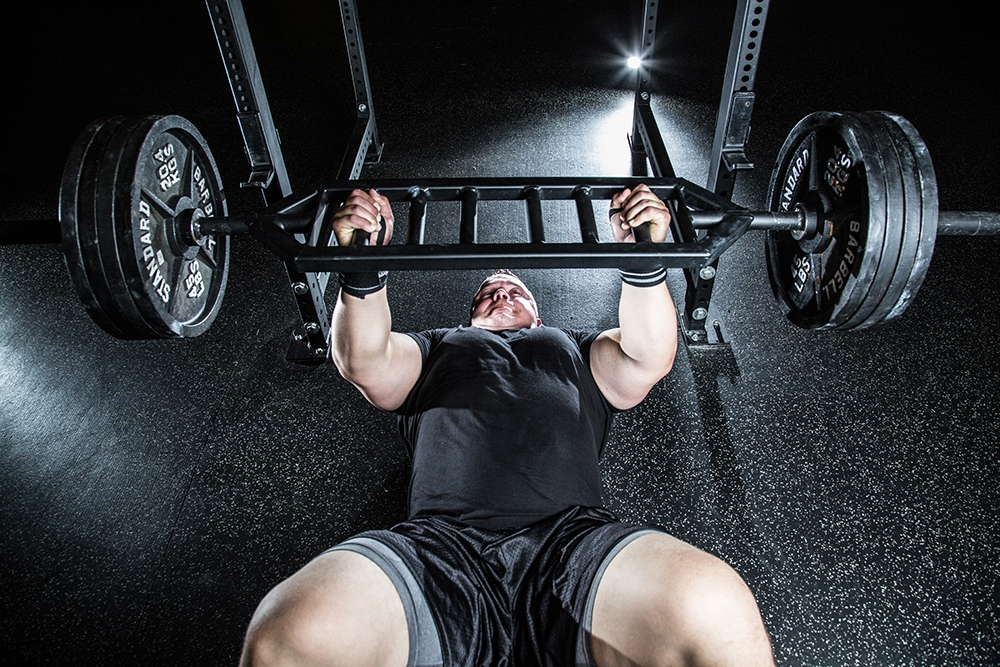
Let’s break down the most common barbells found in gyms and training centers, and how much each one weighs:
1. Olympic Barbell (Standard Bench Press Bar)

- Weight: 20 kg / 44 lbs
- Length: 7.2 feet (2.2 meters)
- Where It’s Found: Most commercial gyms and competitions
- Used For: Bench press, squats, deadlifts, overhead press
- Notes: Has rotating sleeves and knurl marks
This is the gold standard. If you’re using a traditional bench press setup, this is likely the bar you’re lifting—even before adding any plates.
2. Women’s Olympic Barbell

- �� Weight: 15 kg / 33 lbs
- �� Length: 6.5 feet
- ✅ Used For: Same as Olympic bar, often with smaller hands in mind
- �� Notes: Slightly thinner grip diameter
Used in female competitions and by lifters who prefer a lighter or more compact bar.
3. Standard Barbell (Non-Olympic)
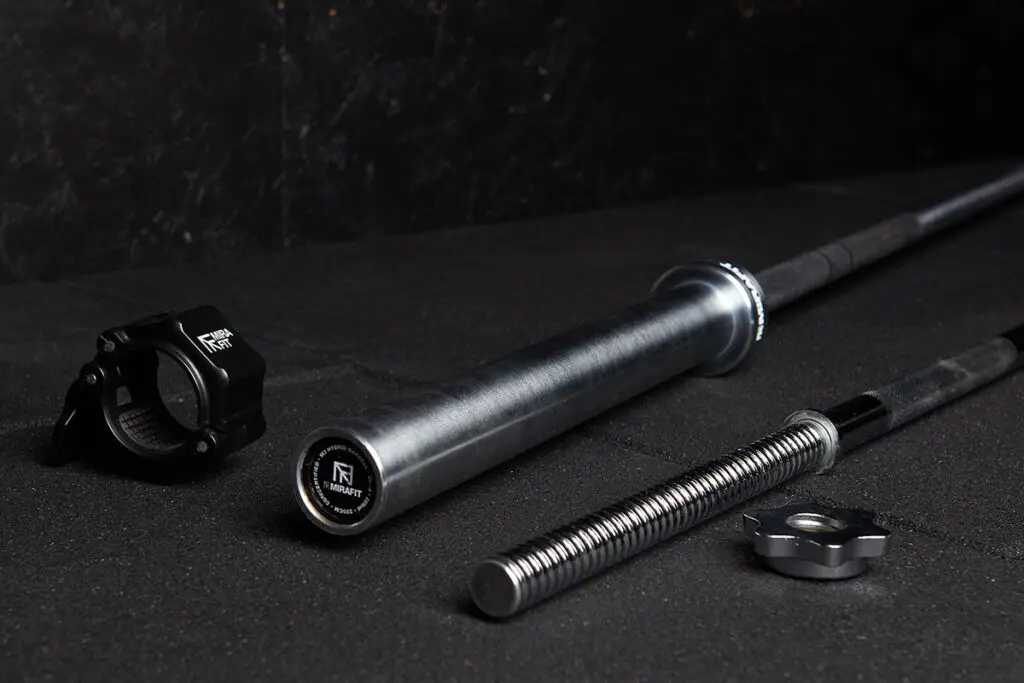
- �� Weight: 15–25 lbs (varies widely)
- �� Length: 5 to 6 feet
- �� Where It’s Found: Home gyms, budget gyms
- ❗ Caution: Often confused with Olympic bars, but not suitable for heavy lifting
It looks similar but can’t handle the same weight as an Olympic bar. Always verify the bar type before assuming its weight.
4. Training Barbell / Technique Bar

- Weight: 5–15 lbs
- Used For: Beginners, warm-ups, rehab, technique training
- Perfect For: Teens, elderly, new lifters
If you’re just starting or teaching form, this lightweight bar gives you the feel of a real bar without the pressure.
5. Specialty Bars for Bench Press Variations
These aren’t your everyday bars, but they’re worth knowing if you’re doing variations of the bench press:
| Bar Name | Weight Range | Use |
| Safety Squat Bar | 60–70 lbs | Squats, but sometimes used for presses |
| Swiss Bar / Football Bar | 35–45 lbs | Neutral grip bench presses |
| Multi-Grip Bar | 35–50 lbs | Shoulder-friendly pressing |
| Cambered Bar | 45–55 lbs | Deep range-of-motion benching |
Why This All Matters – Beyond the Numbers
Mistake: Not counting the bar = inaccurate totals
You might think you’re benching 135 lbs, but if you’re using a 33 lb bar instead of a 44 lb one, you’re actually under by 11 lbs.
Risk: Overloading accidentally
If you misjudge the bar weight and throw on too many plates, you risk injury, especially on bench press where you’re directly under the load.
Tracking Progress:
Progressive overload depends on accurate measurements. Using different barbells without tracking which one makes your logs unreliable.
Real-Life Bench Press Scenarios
Here are a few examples to put the barbell weight into practical context:
Scenario 1: Home Gym Lifter
You bought a barbell off Amazon listed as “45 lbs,” but it’s only 6 feet long. That likely means it’s a standard bar weighing around 25 lbs. You’re adding plates thinking you’re pressing 135, but you’re actually only pressing around 115–120 lbs. That’s a big gap over time.
Scenario 2: Gym Hopping
You work out at two different gyms. One uses Olympic bars, the other has lightweight aluminum technique bars for beginners. You log your bench press PRs without checking the bar type, and overestimate your progress.
Tips to Always Know Your Bench Press Bar Weight

- Ask the Staff – Don’t guess. Gym staff usually know which bars are in use.
- Look at the Bar Design – Olympic bars have rotating sleeves and a thicker feel.
- Weigh It Yourself – Use a floor scale if you’re in doubt.
- Mark Your Bars – In a home gym? Use tape or tags to label each bar’s weight.
Quick Reference Chart: Barbell Weights at a Glance
| Barbell Type | Weight (lbs) | Weight (kg) |
| Olympic Barbell | 44 lbs | 20 kg |
| Women’s Olympic Barbell | 33 lbs | 15 kg |
| Standard Barbell | 15–25 lbs | 7–11 kg |
| Training / Technique Bar | 5–15 lbs | 2–7 kg |
| Swiss / Multi-Grip Bars | 35–50 lbs | 16–22 kg |
| Safety Squat Bar | 60–70 lbs | 27–32 kg |
Final Note: Respect the Bar – It Weighs More Than You Think
When you bench press, you’re not just lifting the plates—you’re lifting the bar too. And depending on the type, that can make a huge difference.
If you’re serious about strength training, progress tracking, injury prevention, and accurate performance data, you must know the weight of the bench press barbell.
So next time someone asks you, “How much do you bench?” you’ll know the true answer—down to the very pound.