How to Get a Ring Off a Swollen Finger: A Comprehensive Guide
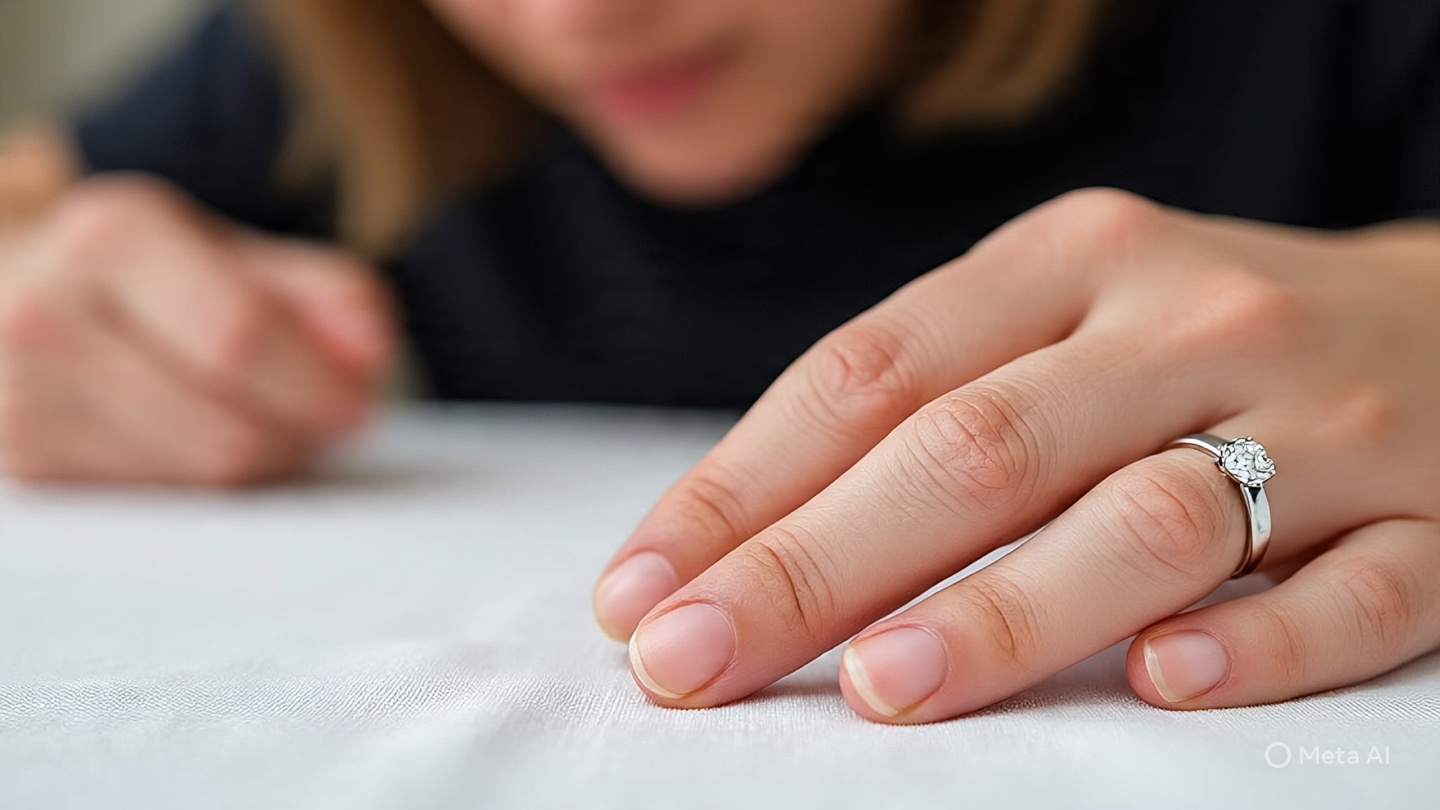
It starts innocently—you slide on a favorite ring, and hours later, your finger swells up like a balloon. Panic sets in. The ring won’t budge. Maybe it’s heat, maybe an injury, maybe just the wrong time of day. No matter the cause, figuring out how to get a ring off a swollen finger becomes your top priority.
While your first instinct might be to tug harder (ouch), don’t. Forcing it can damage your skin—or worse, your circulation. This isn’t just a minor inconvenience; if handled wrong, it can turn into a medical emergency.
In this detailed guide, we’ll walk you through exactly how to get a ring off a swollen finger—with methods that are safe, effective, and often used by ER doctors and jewelers. Whether your finger is mildly puffy or seriously stuck, you’ll find the right solution below.
Why Fingers Swell and Rings Get Stuck
Understanding the cause is the first step:
- Heat, humidity, and exercise increase blood flow and fluid retention
- Injury, arthritis, or infection lead to localized swelling
- Pregnancy or high salt intake cause systemic puffiness
- Wearing an ill-fitting ring long-term means knuckles and fingers can change size
Knowing your swelling type helps you use the right removal method and decide if urgent care is needed.
Immediate Safety Check
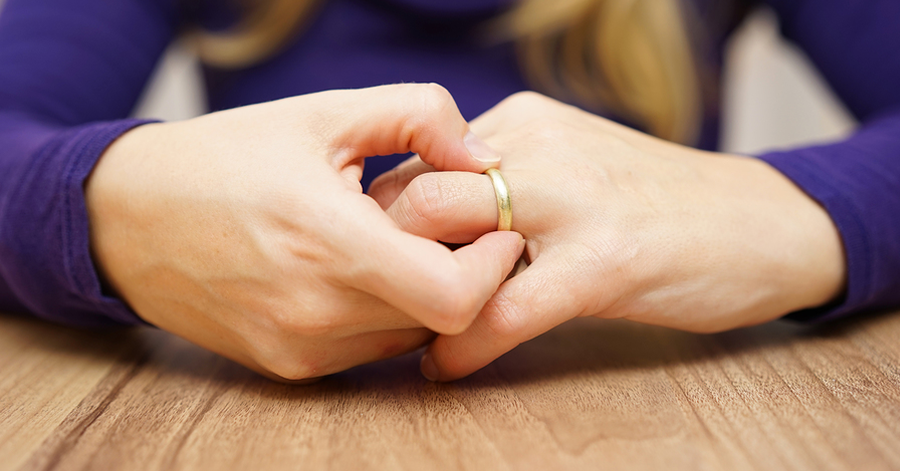
Before attempting removal, check for red flags:
- Severepain, numbness, tingling, or blue/purple color
- Open cuts, infection, or injury
- Fingerfeelsrock-hard or pulseless
These signs suggestcompromised blood flow or tissue damage. If you notice any, seek medical helpimmediately—ring cutters may be required to prevent permanent injury.
3. Step-by-Step Home Techniques
Here’s a structured approach to safely learn how to get a ring off a swollen finger:
A. Cool & Elevate
- Soak or wrap the finger in ice water or an ice pack for 10–15 minutes. Cold constricts blood vessels, reducing swelling.
- Keep your hand elevated above heart level for 5–10 minutes to aid fluid drainage.
- Repeat as needed, with 5-minute breaks between cycles.
B. Lubricate
- Use slippery substances like dish soap, baby oil, olive oil, petroleum jelly, hand lotion, or even Windex.
- Apply generously under and around the ring, then gently twist it back and forthwhile pulling lightly.
- Reapply lubricant if needed and continue gentle motion—it eases friction and helps the ring slip.
C. Twist & Pull Technique
- Instead of forcing straight off, twist the ring while gently squeezing skin below it and pulling upward.
- This uses the finger’s natural shape to ease the ring over the knuckle with less stress.
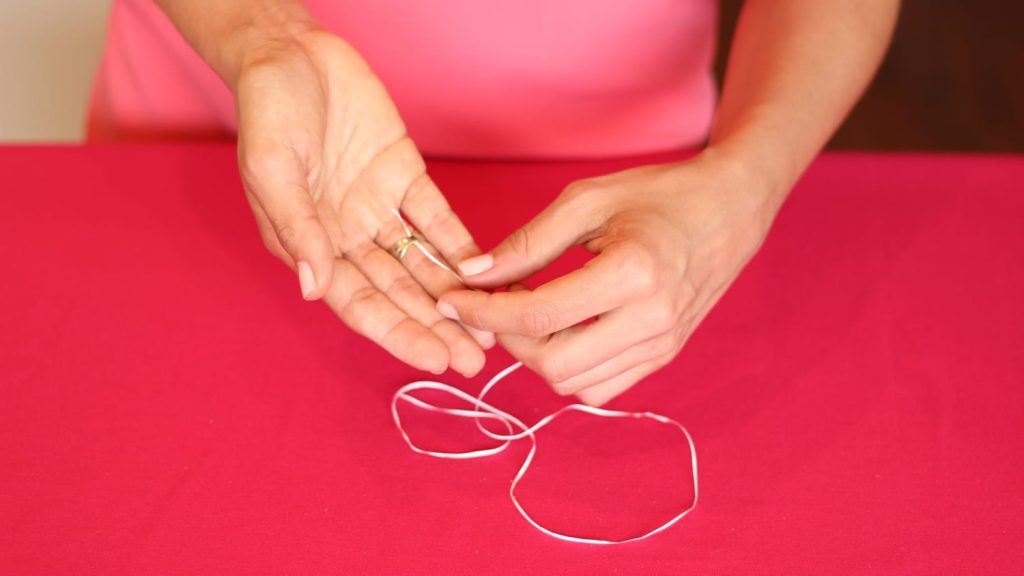
D. Dental Floss or String Compression
- Slide the end of dental floss or thin string under the ring.
- Wrap snugly from the base of the ring upward toward the fingertip, compressing swelling.
- Gently unwrap, pushing the ring over the knuckle as you go.
- This method narrows the swollen tissue, easing ring removal.
E. Surgical Glove Trick (Advanced)
- Cut a small finger-length of a surgical glove and coat it with lubricant.
- Gently insert and turn it inside-out under the ring, then pull it out—bringing the ring with it.
- Best for experienced hands or slight swelling.
4. What to Do If DIY Fails
If gentle methods don’t work after three attempts, stop to avoid tissue damage. Seek professional help:
- Jeweler or fire department can safely access ring-cutting tools
- Emergency room or urgent care is needed if there are signs of compromised circulation or injury
These resources use special tools to avoid harming your finger, and can preserve the ring in most cases.
5. Preventative Strategies
After you’ve safely removed a ring, consider these tips to prevent future emergencies:
- Always get your finger professionally sized, especially if rings are worn frequently
- Remove rings before bed, workouts, hot showers, or activities promoting swelling
- Have rings resized or resized if fingers change due to weight, pregnancy, or aging
- For high-risk situations, switch to silicone bands or necklace holders
- Cut back on high-sodium diets and stay hydrated to reduce fluid retention
6. When to See a Doctor
Seek medical attention if:
- Discoloration, numbness, or persistent pain occur
- The finger remains swollen even after removal
- You had an injury, infection, or possible broken bone
Even if the ring is off, ongoing symptoms might signal vascular or nerve damage needing evaluation.
Quick Reference Table
| Step | Action |
| Safety Check | Look for pain, numbness, color changes—STOP and seek help if present |
| Cool & Elevate | Ice pack + hand above heart for 10–15 minutes |
| Lubrication & Twist | Soap/oil + gentle twisting pull |
| Compression Method | Dental floss/string wrap & unwrap |
| Advanced Method | Surgical glove trick with lubrication |
| Professional Assistance | Jeweler or ER with ring-cutter if DIY fails first try |
| Prevention | Resize rings, remove during triggers, consider silicone alternatives |
Final Takeaway
Knowing how to get a ring off a swollen finger is essential. Start with cooling, elevation, and lubrication, then move to twisting and compression techniques. If your finger shows danger signs, stop and seek medical care right away. With careful methods and prevention steps, you can protect both your finger and your cherished ring.