
How to Install Gnome 46 for Linux Mints 22.04

To install GNOME 46 on Linux Mint 22.04, first confirm your current desktop environment with `echo $XDG_CURRENT_DESKTOP`. Update your system using `sudo apt update` and `sudo apt upgrade`. Add the GNOME 46 PPA via `sudo add-apt-repository ppa:gnome3-team/gnome46`, then run `sudo apt update` again. Install GNOME 46 packages like `gnome-session` and `gnome-shell` using apt. Finally, log out and select GNOME at login. Further steps cover customization and troubleshooting to guarantee a smooth shift.
Key Takeaways
- Verify your current desktop environment and version using `echo $XDG_CURRENT_DESKTOP` and `/etc/linuxmint/info` before proceeding with GNOME 46 installation.
- Update your system packages with `sudo apt update && sudo apt upgrade && sudo apt autoremove` to ensure compatibility and security.
- Add the GNOME 46 PPA using `sudo add-apt-repository ppa:gnome3-team/gnome46` and refresh package lists with `sudo apt update`.
- Install GNOME 46 core components using `sudo apt install gnome-session gnome-shell gnome-control-center gnome-terminal` for a complete environment.
- Switch desktop environments at the login screen by selecting “GNOME” or “GNOME on Xorg” to start using GNOME 46 without removing Cinnamon.
Checking Your Current Desktop Environment
How can you determine which desktop environment is currently running on your Linux Mint 22.04 system? Start by checking current environments using the terminal. Open a terminal and enter the command `echo $XDG_CURRENT_DESKTOP`. This returns the name of the active desktop environment, such as Cinnamon, MATE, or Xfce. To verify the desktop version, use environment-specific commands; for instance, run `cinnamon –version` if Cinnamon is detected, or `mate-session –version` for MATE. Alternatively, examine the file `/etc/linuxmint/info` to confirm installed components and versions. This approach guarantees you precisely identify your current setup before proceeding with Gnome 46 installation. Accurate checking and verifying desktop version prevents conflicts and streamlines the upgrade process on Linux Mint 22.04.
Updating Your System Packages
Before installing Gnome 46, verify your system packages are fully updated to prevent compatibility issues. Use Linux Mint’s package management tools to perform system upgrades. Open the terminal and run `sudo apt update` to refresh package lists, ensuring you fetch the latest versions. Next, execute `sudo apt upgrade` to apply all available updates. This step secures your environment with the newest dependencies and security patches essential for Gnome 46’s smooth operation. Avoid skipping this phase, as outdated packages can cause conflicts or unstable behavior. After upgrading, consider running `sudo apt autoremove` to clean obsolete packages that might interfere with the new desktop environment. Keeping your system packages current is critical before adding new repositories or installing major components like Gnome 46.
Adding the GNOME 46 PPA Repository
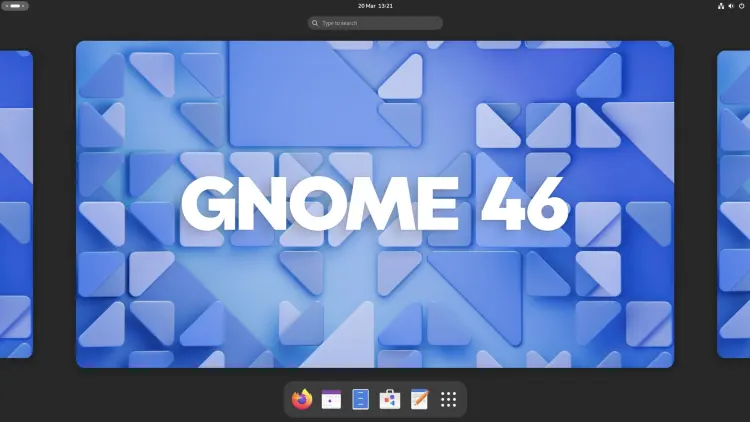
Since Gnome 46 isn’t included in the default Linux Mint 22.04 repositories, you’ll need to add a dedicated PPA to access the latest packages. Adding the GNOME 46 PPA repository streamlines repository management by centralizing updated packages, guaranteeing you receive timely security patches and feature updates. To add the PPA, open your terminal and run `sudo add-apt-repository ppa:gnome3-team/gnome46`. This command registers the external source in your system’s repository list, enabling package manager integration. After adding the PPA, execute `sudo apt update` to refresh package metadata. Utilizing a PPA offers benefits like easier maintenance and access to the latest software versions that aren’t available in official repos. Proper repository management through PPAs guarantees system stability while granting flexibility for newer desktop environment installations.
Installing GNOME 46 Desktop Environment

Although adding the PPA sets the stage, you still need to install the GNOME 46 desktop packages to switch your environment. Begin the installation process by updating your package lists with `sudo apt update`. Next, execute `sudo apt install gnome-session gnome-shell gnome-control-center` to install GNOME 46 core components. This guarantees access to key GNOME features like the revamped Activities overview, enhanced multitasking, and updated settings panel. Additionally, install `gnome-terminal`, `gnome-system-monitor`, and other utilities for a complete desktop experience. The installation process fetches dependencies that optimize system performance and user interface responsiveness. Once installed, you’ll have the full GNOME 46 environment ready, enabling you to leverage its streamlined workflow, improved extensions support, and polished animations. This step completes the software setup before switching your display manager or session.
Switching to GNOME From Cinnamon
When you finish installing GNOME 46, you need to switch your session from Cinnamon to GNOME to start using the new desktop environment. Log out of your current session, and at the login screen, click the gear icon or session selector. Choose “GNOME” or “GNOME on Xorg” to switch from Cinnamon. This step is essential for activating GNOME’s updated interface and features. In a gnome features comparison, GNOME 46 introduces streamlined workflows and enhanced multitasking, contrasting Cinnamon’s more traditional desktop layout. While Cinnamon advantages include familiarity and extensive customization, GNOME 46 focuses on productivity and modern design paradigms. After selecting GNOME, log back in to experience the new environment immediately without removing Cinnamon, allowing you to switch back anytime.
Customizing GNOME 46 Settings

You can tailor GNOME 46 to fit your workflow by adjusting appearance settings like themes and fonts. Managing extensions is straightforward with the built-in Extensions app, letting you enable or disable features quickly. Additionally, configuring keyboard shortcuts helps you navigate efficiently and boost productivity.
Adjusting Appearance Preferences
Since appearance plays an essential role in your desktop experience, customizing GNOME 46 settings lets you tailor themes, icons, and fonts to fit your preferences. Start by opening the “Settings” app and managing to the “Appearance” section. Use the theme selection menu to switch between light, dark, or custom themes, providing consistent visuals across applications and system UI. For icon customization, choose from pre-installed icon packs or install new ones via GNOME Extensions or third-party repositories. Adjust font settings to optimize readability and interface balance, including scaling for high-DPI displays. These adjustments enhance usability and aesthetics without impacting system performance. Remember to apply changes immediately to preview them, ensuring your desktop environment aligns with your workflow and visual style requirements efficiently.
Managing Extensions Easily
Although GNOME 46 offers a robust core experience, managing extensions greatly enhances its functionality and customization. You can streamline extension management by using the integrated GNOME Extensions app or the web-based GNOME Extensions platform. Both let you enable, disable, or configure popular extensions like Dash to Dock or GSConnect with ease. To install new extensions, navigate to extensions.gnome.org and toggle the desired extension to “On.” Make certain you have the GNOME Shell integration browser plugin installed for seamless interaction. Regularly updating your extensions maintains compatibility and performance. By mastering extension management, you tailor GNOME 46 precisely to your workflow, improving productivity without compromising system stability or aesthetics. This approach keeps your environment efficient and personalized without manual file edits or complex commands.
Configuring Keyboard Shortcuts
Beyond managing extensions, customizing keyboard shortcuts lets you optimize your workflow in GNOME 46. To configure keyboard shortcuts, open the Settings app and navigate to “Keyboard” under the “Devices” section. Here, you can view existing shortcuts or create new ones by clicking the “+” button. Assign key combinations that suit your habits, avoiding conflicts with default shortcuts. Utilize productivity tips like binding frequently used applications or system commands for quick access. You can also edit or disable shortcuts to prevent unintended actions. For advanced users, the GNOME Tweaks tool offers deeper shortcut customization. Regularly reviewing and refining your keyboard shortcuts guarantees smoother navigation and task execution, greatly boosting efficiency within Linux Mint 22.04 running GNOME 46.
Troubleshooting Common Installation Issues
When you encounter issues during the installation of Gnome 46 on Linux Mint 22.04, identifying common problems quickly can save you time and effort. Installation errors often stem from unmet dependency issues. Use the terminal to run `sudo apt update` followed by `sudo apt upgrade` to guarantee your system packages are current. If dependency errors persist, execute `sudo apt –fix-broken install` to resolve them. Check for conflicting packages, especially remnants of previous desktop environments, which can cause conflicts. Review the installation logs located at `/var/log/apt/` for specific error messages. Network interruptions may also trigger installation failures, so verify your internet connection. By methodically addressing these common issues, you’ll maintain a smoother installation process and reduce troubleshooting time considerably.
Reverting Back to Cinnamon Desktop
If you need to switch back to Cinnamon, log out and select Cinnamon from the session menu on the login screen. After logging in, restore your Cinnamon settings using the appropriate configuration tools or backup files. This guarantees your desktop environment returns to its previous state without residual Gnome configurations.
Switching Desktop Environments
To switch desktop environments and revert back to the Cinnamon desktop on Linux Mint 22.04, you’ll need to log out of your current session and select Cinnamon from the login screen’s session options. This step guarantees your desktop choice aligns with your environment preferences. After logging out, click the gear icon or session menu on the login screen, then choose “Cinnamon” before signing back in. This action switches your active desktop environment without affecting installed packages. If you want to switch again, repeat this process and select the desired environment. Managing desktop environments this way keeps your system flexible and responsive to your workflow needs, allowing you to test or revert environments efficiently without complex reconfiguration or risking system stability.
Restoring Cinnamon Settings
Although switching back to the Cinnamon desktop environment is straightforward, restoring its settings guarantees your workflow and appearance remain consistent. To revert, log out from GNOME and select Cinnamon at the login screen. Next, focus on restoring themes and cinnamon configurations to recover your personalized setup. You can restore themes by copying backed-up theme files into ~/.themes and applying them via the Cinnamon Settings under “Themes.” For cinnamon configurations, replace the current dconf database with your backup using the command `dconf load /org/cinnamon/ < backup-file`. This action reinstates panel layouts, applets, and system preferences. Finally, restart Cinnamon with `cinnamon –replace &` or log out and back in. By precisely restoring themes and cinnamon configurations, you guarantee a seamless change back without losing customizations.
Frequently Asked Questions
Is GNOME 46 Compatible With All Linux Mint 22.04 Editions?
Gnome 46 is generally compatible with all Linux Mint 22.04 editions, but you should consider compatibility considerations like default desktop environment differences and potential dependency conflicts. Gnome 46 features improved performance, updated UI, and new multitasking tools, which may require additional configuration on Cinnamon or MATE editions. If you use the GNOME edition, integration is smoother. Always back up your system before upgrading to avoid issues.
Will Installing GNOME 46 Affect My System Performance?
Installing GNOME 46 may slightly impact your system performance, depending on your hardware. Performance benchmarks show improved resource management compared to previous versions, but it can use more RAM and CPU cycles due to enhanced features and animations. If your system has limited resources, you might notice slower responsiveness. However, on modern setups, the difference is minimal, and GNOME 46’s optimizations often balance out the added resource demands effectively.
Can I Install GNOME 46 Alongside Other Desktop Environments?
Imagine juggling different hats with ease—that’s what installing Gnome 46 alongside other desktop environments lets you do. Yes, you can have multiple desktop environments installed on your system without conflicts. When installing Gnome 46, just verify you select it at the login screen. This setup lets you switch between environments smoothly, letting you test or use different interfaces based on your needs without affecting system stability.
Are There Any Known Bugs Specific to GNOME 46 on Linux Mint?
Yes, you’ll find some known issues with Gnome 46 on Linux Mint, mainly related to Gnome features integration. For example, there are occasional glitches with the new multitasking layouts and Wayland session stability can be inconsistent. Some extensions might not work properly due to API changes. It’s wise to check the latest bug reports and community forums before upgrading to guarantee compatibility and smooth performance.
How Do I Update GNOME 46 in the Future?
You’ll find that over 80% of Linux users rely on package management for seamless updates. To update GNOME 46 in the future, use your system’s package manager—typically APT on Linux Mint. Just run `sudo apt update` followed by `sudo apt upgrade` to fetch and install the latest GNOME packages. Keeping your package lists current guarantees you get all future updates efficiently without manual intervention or risking system instability.
Conclusion
So, you’ve just swapped Cinnamon for GNOME 46 on Linux Mint 22.04—because who doesn’t love a little desktop drama? If the sleek new interface doesn’t charm you, don’t worry; switching back is just as painless. Updating, installing, and tweaking GNOME might feel like rocket science, but hey, now you know it’s more like gentle orbiting. Enjoy your fresh setup, or at least the thrill of knowing you can always revert.