How to Start Marigold Seeds: A Beginner’s Guide to Vibrant Blooms
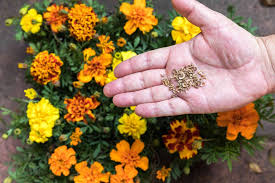
If you’ve ever walked past a garden bursting with bright orange and yellow blossoms, chances are you’ve admired marigolds. These cheerful, low-maintenance flowers are not only beautiful—they’re also fantastic for beginners. But here’s the big question every aspiring gardener asks: how to start marigold seeds?
You don’t need a green thumb or a fancy greenhouse to grow marigolds from seed. In fact, starting them from scratch is incredibly simple, affordable, and rewarding. Whether you’re aiming to brighten up your flower beds, deter pests naturally, or add a pop of color to your vegetable garden, marigolds are your go-to choice.
This blog post walks you through every step, from seed to sprout to bloom—so you can enjoy one of the easiest floral victories in the gardening world.
Step 1: Choose Your Marigold Variety
Before you learn how to start marigold seeds, it’s essential to understand the different types available. Marigolds come in several varieties:
- French Marigolds – Compact, bushy, and ideal for containers or borders
- African Marigolds (aka American Marigolds) – Taller with larger blooms; great for back-row planting
- Signet Marigolds – Smaller flowers with edible, citrus-flavored petals
Each type has its own personality and growth habit, so choose based on the space you have and the look you want.
Step 2: Gather What You Need
To start marigold seeds successfully, you’ll need:
- Marigold seeds (fresh and stored in a cool, dry place)
- Seed-starting trays or small pots
- Seed-starting mix (light, well-draining)
- Spray bottle or gentle watering can
- Clear plastic wrap or a humidity dome
- Warm location or heat mat (optional)
Step 3: Know When to Plant
Timing is key. Marigolds are warm-weather annuals, so they should be planted after the last frost in your region. If you’re starting seeds indoors, begin 4 to 6 weeks before your expected last frost date.
Outdoor sowing is also possible—just make sure the soil is warm (at least 65°F or 18°C).
Step 4: Planting the Seeds

Now, the fun part—getting your hands dirty.
- Fill seed trays or pots with moist seed-starting mix.
- Sow seeds about ¼ inch deep, spaced at least 1 inch apart.
- Cover lightly with soil and press gently to ensure good contact.
- Mist with water using a spray bottle to avoid disturbing the seeds.
- Cover with plastic wrap or a humidity dome to retain moisture and warmth.
Place the tray in a warm spot (around 70°F–75°F). Marigold seeds usually germinate in 4–7 days.
Step 5: Care After Germination
Once the seedlings emerge, remove the cover and move them to a sunny windowsill or under grow lights.
- Provide 12–14 hours of light per day
- Keep the soil moist, not soggy
- When the seedlings develop 2–3 sets of true leaves, you can begin to thin or transplant them to larger pots if needed
Step 6: Hardening Off & Transplanting Outdoors
Before moving marigolds outdoors permanently, they need to be hardened off—which means gradually acclimating them to outdoor conditions.
- Begin hardening off 1 week before transplanting
- Place the trays outside for a few hours each day, gradually increasing time and exposure
- After 5–7 days, they should be ready for their permanent home
Choose a sunny location with well-drained soil, and space the plants 8–18 inches apart, depending on the variety.
Bonus Tips for Marigold Success

- Avoid overwatering—marigolds prefer slightly dry conditions
- Deadhead spent blooms to encourage continuous flowering
- Marigolds repel pests like aphids and nematodes, making them great companion plants for tomatoes and vegetables
- Watch for fungus in overly wet conditions; good airflow is essential
Final Note
So, how to start marigold seeds? With just a bit of planning, the right materials, and consistent care, you’ll be growing vibrant, pest-fighting blooms in no time. These flowers don’t ask for much—but give back with color, charm, and garden benefits all season long.
Whether you’re a gardening newbie or a seasoned grower looking to revisit the basics, marigolds are a fantastic way to enjoy quick wins and cheerful results. Start from seed, and watch your garden light up.