
How to Use Ai to Support Integrated Iso Audits

You can use AI to support integrated ISO audits by automating data collection from diverse sources, guaranteeing faster and more accurate analysis across standards like ISO 9001, 14001, and 45001. AI helps you identify risks proactively through predictive analytics and enhances auditor efficiency by detecting anomalies and generating reports automatically. Leveraging natural language processing speeds up document reviews and continuous monitoring guarantees ongoing compliance. Applying these methods sharpens audit precision and risk management—explore these approaches to optimize your audit process further.
Key Takeaways
- Utilize AI-powered tools to automate data collection and extract relevant information from diverse ISO audit documents efficiently.
- Apply machine learning algorithms for predictive risk identification and continuous updating of risk profiles across integrated standards.
- Implement AI-driven data analysis and visualization to quickly detect compliance gaps and anomalies in multiple management systems.
- Configure automated workflows for real-time compliance monitoring and generation of consolidated audit reports across ISO standards.
- Enhance auditor efficiency by using AI to reduce manual tasks, improve error detection, and support proactive compliance decision-making.
Understanding Integrated ISO Audits and Their Challenges
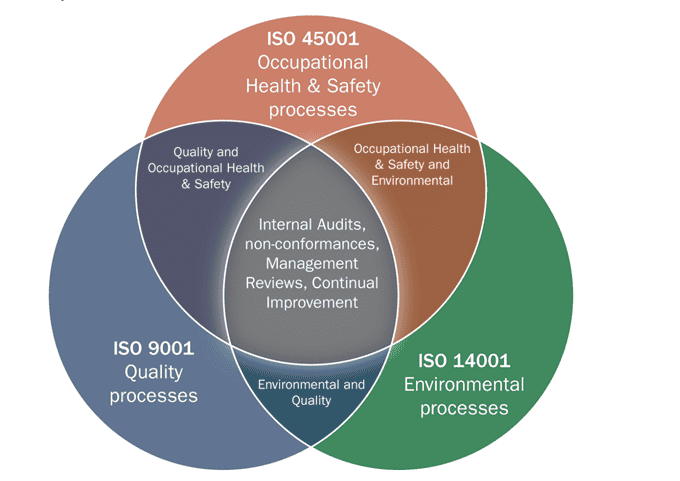
Although integrated ISO audits streamline the evaluation of multiple management systems simultaneously, they present unique challenges that require careful navigation. When you conduct integrated audits, you must manage diverse standards, such as ISO 9001, ISO 14001, and ISO 45001, within a single framework. This complexity demands a thorough understanding of each system’s requirements and potential overlaps. You’ll face audit challenges like coordinating audit schedules, ensuring consistent data collection, and maintaining auditor competence across varied disciplines. Additionally, integrating findings without losing specificity can be difficult. To handle these audit challenges effectively, you need a structured approach that maps common clauses and distinct criteria, enabling a detailed yet focused review. Mastering these nuances is essential to leveraging integrated audits for accurate, efficient compliance assessment.
Key Benefits of AI in ISO Auditing Processes
You’ll find AI considerably improves data analysis by quickly identifying patterns and anomalies that might be missed manually. It also streamlines compliance tracking by continuously monitoring standards and flagging potential issues in real time. These benefits reduce audit time and increase accuracy throughout the ISO auditing process.
Enhanced Data Analysis
Efficiency drives the value of enhanced data analysis in ISO audits. You can leverage AI to process vast datasets rapidly, uncovering patterns and anomalies that manual reviews might miss. Use data visualization tools to convert complex audit data into intuitive charts and graphs, which simplifies interpretation and decision-making. Predictive analytics further strengthens your audit by forecasting potential non-compliance risks based on historical trends. This proactive insight allows you to focus your audit efforts strategically, improving accuracy and resource allocation. By integrating these AI-driven techniques, you streamline your audit process, reduce human error, and gain an extensive understanding of organizational performance. Ultimately, enhanced data analysis empowers you to conduct more thorough, data-informed ISO audits with greater confidence and efficiency.
Streamlined Compliance Tracking
When managing ISO audits, AI streamlines compliance tracking by automating the monitoring of regulatory requirements and internal standards. You can deploy advanced compliance software integrated with audit technology to continuously track updates, flag deviations, and generate compliance reports in real time. This automation reduces manual oversight, minimizes human error, and guarantees audit readiness at every stage. By using AI-driven dashboards, you gain clear visibility into compliance status and can prioritize corrective actions efficiently. Implementing this technology also facilitates consistent documentation and audit trail maintenance, essential for integrated ISO audits. Ultimately, AI-powered compliance software enables you to maintain adherence proactively, reduces audit cycle times, and supports a more agile, data-driven approach to meeting ISO standards.
Selecting the Right AI Tools for Audit Support
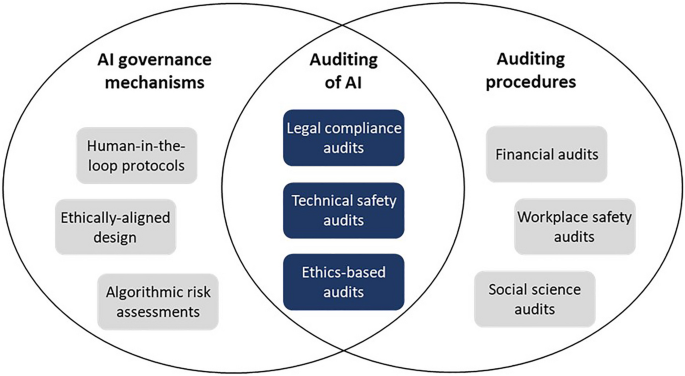
You need to evaluate AI tools based on their specific capabilities, such as data analysis speed, accuracy, and integration options. Match these features directly to your audit requirements to guarantee efficiency and effectiveness. This targeted selection process helps you avoid unnecessary complexity and maximizes your audit support.
Evaluating AI Capabilities
Although AI offers numerous tools for audit support, not all of them align with the specific requirements of ISO audits. You need to start by evaluating AI capabilities against clear evaluation metrics such as accuracy, scalability, and compliance with industry standards. Analyze technology trends to guarantee the tool remains relevant amid future developments. Examine software integration to confirm compatibility with your existing audit systems. Evaluate performance benchmarks to identify efficiency gains and potential bottlenecks. Prioritize data security to protect sensitive audit information. Assess user experience to ensure ease of adoption and minimize training hurdles. Consider implementation challenges, including resource allocation and technical support. By systematically evaluating these factors, you can confidently select AI tools that meet rigorous ISO audit demands and support long-term organizational goals.
Matching Tools to Needs
After thoroughly evaluating AI capabilities, the next step involves aligning those capabilities with your specific audit requirements. Begin with a detailed need assessment to identify the core functions you require—such as data analysis, document management, or compliance tracking. Use this assessment to guide your tool selection, ensuring each AI solution directly addresses your audit’s unique challenges. Prioritize tools that integrate seamlessly with your existing systems and offer scalability for future audits. Evaluate vendor support, user-friendliness, and customization options to enhance efficiency. Avoid adopting tools with overlapping features that don’t add value. By systematically matching AI tools to your precise needs, you’ll optimize audit accuracy and streamline processes, ultimately supporting a more effective integrated ISO audit.
Automating Data Collection and Analysis With AI
When conducting ISO audits, automating data collection and analysis with AI greatly reduces manual effort and errors. You begin by integrating AI tools that extract data from diverse sources—documents, sensors, and software systems—streamlining the aggregation process. AI then processes this data to generate automated insights, highlighting trends, anomalies, and compliance gaps that might escape manual review. To support your decision-making, AI-powered data visualization presents complex information clearly, enabling quick interpretation and action. This procedural approach not only accelerates audit cycles but also enhances accuracy and consistency. By relying on automated data workflows, you guarantee thorough coverage and reduce human bias, making your audit process more robust and efficient without compromising on quality or compliance standards.
Enhancing Risk Identification and Management Using AI
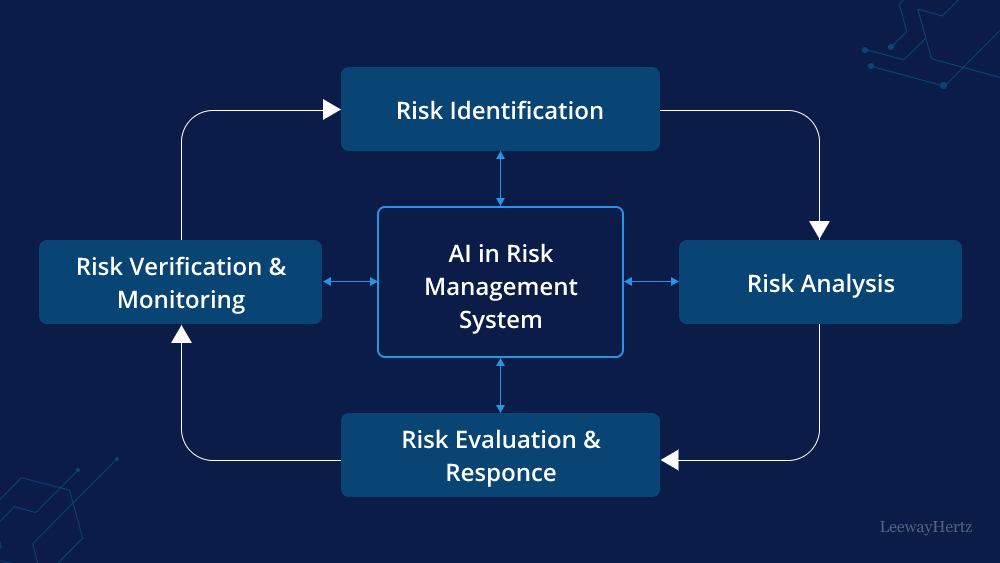
You can leverage AI to enhance risk identification and management by systematically analyzing vast datasets for potential threats and vulnerabilities. Begin by integrating AI-driven risk assessment tools that apply predictive analytics to identify patterns and anomalies indicating emerging risks. Use machine learning algorithms to continuously update risk profiles based on new data inputs, ensuring dynamic and accurate risk evaluation. Implement AI systems to prioritize risks by severity and likelihood, facilitating targeted mitigation strategies. This approach reduces manual oversight, accelerates detection, and increases the precision of your risk management process. By embedding AI in your audit workflow, you gain a proactive stance on risk control, improving compliance readiness and decision-making under uncertainty. This method enhances your integrated ISO audit’s effectiveness and resilience.
Streamlining Compliance Reporting Through AI Integration
Although compliance reporting can be complex and time-consuming, integrating AI simplifies and accelerates the process. You can implement automated reporting systems that extract data from multiple sources, analyze compliance status, and generate accurate reports without manual intervention. This reduces errors and guarantees consistency across audits. To streamline compliance reporting, start by defining key compliance parameters and configuring AI tools to monitor them continuously. Next, set up automated workflows that trigger report generation at scheduled intervals or upon detecting deviations. By doing so, you enhance compliance efficiency, freeing your team to focus on strategic tasks rather than routine data compilation. Ultimately, AI integration transforms compliance reporting from a reactive chore into a proactive, streamlined operation that supports your ISO audit objectives effectively.
Improving Auditor Efficiency and Accuracy With Machine Learning
You can boost auditor efficiency by automating data analysis with machine learning algorithms that quickly identify relevant patterns. This automation reduces manual workload and accelerates audit processes. Additionally, machine learning enhances error detection by flagging anomalies that might be missed during traditional reviews.
Automating Data Analysis
When auditors integrate machine learning into their workflows, they greatly enhance both the speed and accuracy of data analysis. You can automate the extraction and processing of large datasets, reducing manual effort and minimizing human error. Employ data visualization techniques to transform complex audit data into clear, actionable insights, helping you quickly identify trends and anomalies. Utilize predictive analytics applications to forecast potential compliance issues before they arise, enabling proactive decision-making. By systematically applying these machine learning tools, you streamline audit procedures and improve the consistency of your evaluations. This approach guarantees you focus on critical audit areas efficiently, while maintaining rigorous standards. Automating data analysis not only accelerates your audit process but also strengthens the reliability of your findings, supporting integrated ISO audits effectively.
Enhancing Error Detection
Since error detection is critical to audit quality, leveraging machine learning greatly boosts both efficiency and accuracy. You can implement advanced error detection techniques that automatically identify anomalies and inconsistencies within large datasets. By integrating AI-driven data validation methods, you systematically cross-check inputs against predefined standards, reducing human oversight. These methods enable real-time flagging of potential errors, allowing you to focus on high-risk areas quickly. Adopt iterative training of your machine learning models to refine detection algorithms continuously. This procedural approach helps you minimize false positives and negatives, enhancing overall audit precision. Ultimately, applying these AI-powered error detection techniques streamlines your workflow, improves data integrity, and supports more reliable audit conclusions aligned with ISO standards.
Leveraging Natural Language Processing for Document Review
Natural Language Processing (NLP) streamlines document review by automatically extracting relevant information and identifying inconsistencies within ISO audit materials. You can leverage NLP’s capabilities to perform advanced text analysis, enabling precise data extraction from complex natural language documents. Start by applying document summarization techniques to condense lengthy reports, focusing on critical compliance points. Use sentiment detection to gauge stakeholder feedback and identify potential risk areas. Implement information categorization to organize audit documents, facilitating faster retrieval and comparison. This systematic approach supports compliance verification by highlighting discrepancies and ensuring alignment with ISO standards. By integrating NLP into your review process, you’ll enhance audit efficiency, reduce manual workload, and improve accuracy, allowing you to focus on strategic decision-making rather than tedious document scrutiny.
Implementing AI for Continuous Monitoring and Improvement
Although ISO audits provide periodic snapshots of compliance, you need continuous monitoring to maintain and improve quality over time. Implement AI-powered systems that collect real-time data from various processes to enable proactive monitoring. These systems analyze trends and detect anomalies early, allowing you to address issues before they escalate. Integrate AI tools with existing quality management platforms to automate data aggregation and reporting. This seamless integration supports continuous improvement by providing actionable insights that guide decision-making. Establish clear protocols for interpreting AI-generated alerts and adjust processes accordingly. By implementing AI-driven continuous monitoring, you shift from reactive audits to a dynamic, ongoing assessment model that enhances compliance and drives sustained performance improvements aligned with ISO standards.
Best Practices for Ensuring AI-Driven Audit Integrity and Security
When you implement AI-driven audits, maintaining data integrity and security is critical to guarantee trustworthy results and compliance with ISO standards. Start by establishing robust audit security protocols, including role-based access controls and encrypted data transmission. Regularly validate AI algorithms to detect biases and ascertain adherence to AI ethics principles, preventing manipulation or unfair outcomes. Document every audit step to create an immutable trail that supports transparency and accountability. Conduct periodic security assessments and update defenses against emerging threats, maintaining system resilience. Train your team on AI ethics and security awareness, fostering a culture of vigilance. By integrating these best practices systematically, you ascertain your AI-powered audits remain reliable, secure, and aligned with ISO requirements, supporting continuous improvement without compromising data integrity or ethical standards.
Frequently Asked Questions
How Does AI Impact the Roles of Human Auditors Long-Term?
You’ll find AI adaptation transforms your role by automating routine tasks, letting you focus on complex decision-making. This shift demands you enhance auditor collaboration, working alongside AI systems to interpret data insights effectively. Long-term, your expertise evolves from manual auditing to managing AI-driven processes, ensuring accuracy and compliance. Embracing this change improves efficiency and sharpens your analytical skills, making you an indispensable part of integrated audit teams.
What Are the Initial Costs of Integrating AI in ISO Audits?
Starting with a sharp, strategic cost analysis, you’ll find the initial investment in AI integration involves software licenses, training, and system customization. These startup expenses can seem steep, but conducting a thorough cost analysis helps you weigh short-term spending against long-term savings. By precisely planning procurement and process adaptation, you guarantee your AI adoption aligns with budgetary goals, streamlining audits while securing smarter, sustainable returns on your investment.
Can AI Tools Be Customized for Different Industry Standards?
Yes, you can customize AI tools through custom AI solutions tailored to your specific needs. These solutions adapt to industry-specific applications by incorporating relevant regulations, terminology, and workflows. To implement this, you analyze your industry’s standards, define key audit parameters, and train the AI model accordingly. This customization enhances accuracy and relevance, ensuring the AI supports audits effectively across various industry standards and compliance requirements you face.
How Do Auditors Maintain Data Privacy When Using AI?
You protect, you encrypt, you comply. To maintain data privacy when using AI, you implement data encryption to secure sensitive information during processing and storage. You adhere to strict ethical considerations, ensuring transparency and consent in data handling. You regularly audit AI systems for vulnerabilities, and you train your team on privacy protocols. By following these steps, you minimize risks and uphold confidentiality throughout your AI-driven audit processes.
What Training Is Required for Auditors to Use AI Effectively?
You’ll need focused auditor training to use AI tools effectively. Start with understanding AI fundamentals and data privacy principles. Then, get hands-on practice with specific AI software your organization uses, emphasizing interpreting AI-generated insights accurately. Regular updates on evolving AI capabilities and ethical considerations are crucial. This training guarantees you apply AI tools confidently, maintain compliance, and enhance audit quality through precise, data-driven analysis.
Conclusion
By embracing AI in your integrated ISO audits, you’re not just upgrading tools—you’re inviting a smarter, more reliable partner into your process. Let AI handle the heavy lifting of data crunching and risk spotting, so you can focus on strategic insights. Remember to choose your AI allies wisely and maintain a watchful eye on integrity and security. This way, you’re not just keeping up—you’re setting the pace for continuous improvement.


