
How Future Healthcare Technology Is Elevating At-Home Care

When you hear the words “hospital” or “clinic,” you likely imagine waiting rooms, sterile halls, and long appointment lines. But what if many of these visits could be replaced by personalized, accurate, and tech-enabled care — right from the comfort of your couch? That future is already unfolding. With rapid advancements in technology, the way we access healthcare is being transformed, and at-home care is at the forefront of this revolution.
In this article, we’ll dive into how future healthcare technology is elevating at-home care, offering patients more freedom, real-time monitoring, better disease prevention, and reduced costs — all without stepping foot outside.
1. The Shift Toward At-Home Care: Why Now?

The demand for at-home care isn’t new. However, the COVID-19 pandemic drastically accelerated its adoption. Lockdowns, limited hospital access, and increased health risks forced healthcare systems to rethink traditional models. As a result, remote care and digital solutions became a lifeline.
Now, even post-pandemic, the shift remains strong. Aging populations, chronic disease management, and increased patient preference for convenience are driving permanent changes in how healthcare is delivered.
2. Remote Patient Monitoring (RPM): A Game Changer
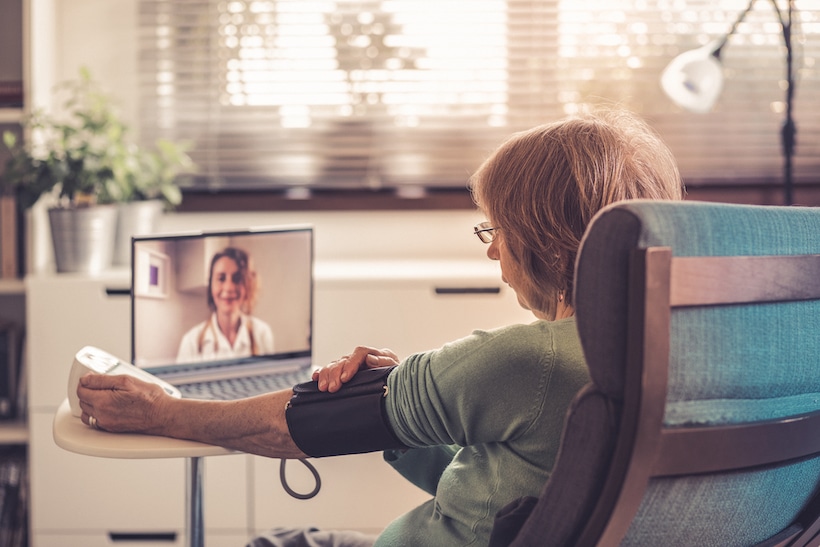
Remote Patient Monitoring (RPM) uses digital technologies to collect health data — such as blood pressure, heart rate, glucose levels — and send it securely to healthcare professionals in real time.
Key Technologies in RPM Include:
- Wearable Devices: Smartwatches and fitness trackers monitor heart rate, sleep, activity, and even oxygen saturation.
- Implantable Devices: Some cardiac patients now have devices that monitor heart function and transmit data to doctors instantly.
- Home Monitoring Kits: Tools like Bluetooth-enabled glucometers, blood pressure cuffs, and thermometers offer accurate readings from home.
Benefits:
- Early detection of health issues
- Reduced hospital visits
- Improved chronic disease management
- Real-time alerts for emergencies
3. Telemedicine: Making the Doctor Just a Click Away
Telemedicine has exploded in popularity, allowing video or phone consultations with doctors, psychologists, and specialists. It eliminates the need for travel and reduces appointment wait times.
Telemedicine Platforms Offer:
- One-on-one virtual consultations
- Online prescription services
- Follow-up visits and test result discussions
- Mental health therapy sessions
This technology is especially valuable in rural or underserved areas where healthcare access is limited.
4. AI-Powered Healthcare: Smarter Diagnoses and Personalization
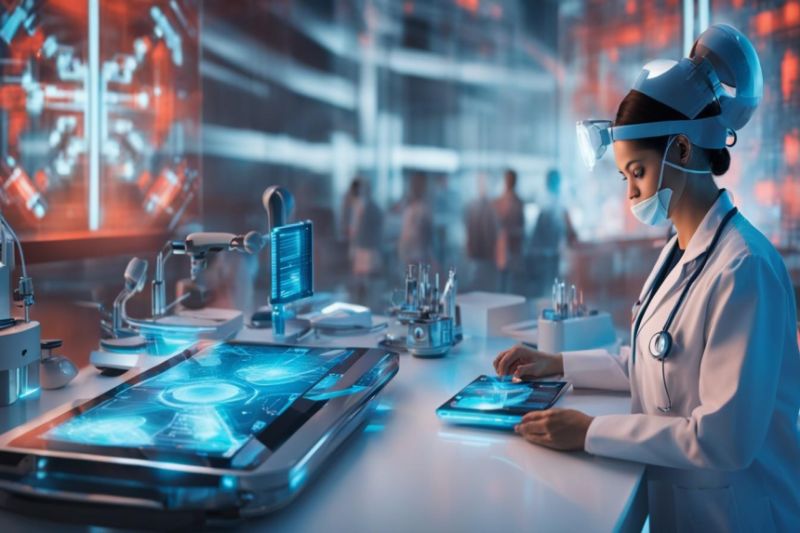
Artificial Intelligence (AI) is playing a massive role in shaping the future of healthcare. From interpreting X-rays to analyzing massive datasets, AI is empowering both doctors and patients.
In At-Home Care, AI Is Used For:
- Symptom Checkers: Apps like Babylon or Ada use AI to offer diagnosis suggestions based on inputted symptoms.
- Medication Management: Smart pillboxes and AI-powered apps remind patients when to take medication and track adherence.
- Personalized Treatment Plans: AI helps design custom health plans based on individual health records and genetics.
These tools reduce human error, improve efficiency, and offer highly individualized care plans without constant physician intervention.
5. Virtual Health Assistants and Chatbots
Healthcare chatbots are not just futuristic ideas — they’re functional today. From scheduling appointments to providing health information, virtual assistants like Amazon’s Alexa and Google Assistant are integrating with healthcare services.
Examples:
- Voice commands to book virtual appointments
- Reminders to take medication or track symptoms
- AI chatbots answering health-related questions 24/7
These assistants bring round-the-clock support, especially for elderly patients or those with limited mobility.
6. Smart Home Integration and IoT Devices
The Internet of Things (IoT) is connecting everyday devices to the internet — and healthcare is fully on board.
At-Home Healthcare IoT Devices Include:
- Smart Beds: Monitor sleep patterns, heart rate, and even body movements.
- Voice-Activated Emergency Systems: Help seniors call for assistance without needing to reach a phone.
- Environmental Monitors: Detect allergens, humidity, or pollutants in the home for respiratory patients.
All these contribute to an environment that’s proactive about health instead of reactive.
7. Virtual Reality (VR) and Augmented Reality (AR)
Believe it or not, VR and AR are making waves in home-based healthcare too.
Use Cases Include:
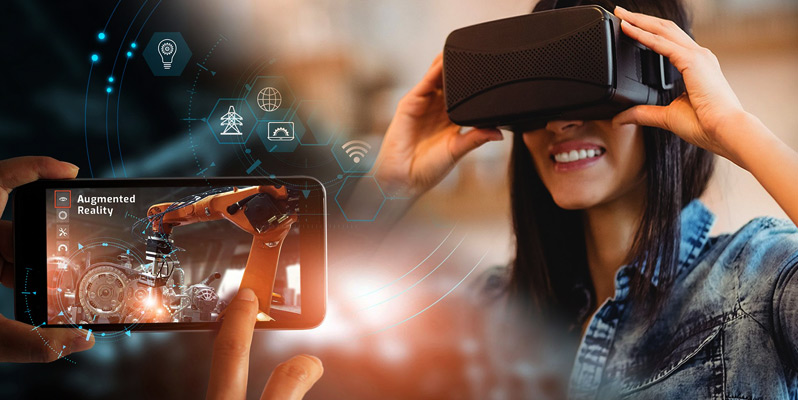
- Physical Therapy: VR games guide patients through exercises, improving rehabilitation compliance.
- Pain Management: VR distractions help manage chronic pain or anxiety.
- Education: AR apps explain medical procedures or conditions in easy-to-understand 3D visuals.
These technologies not only enhance treatment but also make it more engaging for patients.
8. Blockchain for Secure Medical Data
At-home care generates tons of sensitive health data. Blockchain technology ensures that this data is stored securely, with privacy and transparency intact.
Benefits Include:
- Improved data security
- Tamper-proof health records
- Easier sharing between doctors, patients, and caregivers
Patients now have more control over who accesses their medical history — a huge shift in the healthcare power dynamic.
9. Future Trends to Watch
Technology is evolving rapidly. Some upcoming trends that will take at-home care even further include:
- 5G Connectivity: Enhances the speed and reliability of telemedicine and data transfers.
- Genomics at Home: DNA testing kits could become standard for at-home disease risk assessment.
- AI-Powered Predictive Health Tools: Systems that analyze trends in your health data and predict future issues before they develop.
- Robotic Home Care: Robots that help with elderly care, medication, and monitoring are being developed rapidly.
Final Thoughts
The concept of visiting a clinic may never completely disappear, but the days of relying solely on in-person appointments are numbered. With the rise of innovative healthcare technologies, at-home care is becoming smarter, faster, and more personal than ever before.
As the healthcare industry continues to embrace these changes, patients must also become active participants — understanding, adopting, and trusting the tools that put their well-being right in their hands.
How future healthcare technology is elevating at-home care is no longer just a possibility — it’s the present, and it’s here to stay. The more we lean into these advancements, the more we redefine what healthcare can truly look like: personal, accessible, and at your doorstep.


