
How long does a Pinched Nerve last? Everything you need to know

Have you ever experienced a sharp burning pain radiating down your arm or leg, or maybe a tingling numbness that just won’t go away? If so, you might be dealing with a pinched nerve. It’s a common issue, but often misunderstood. One of the most frequently asked question is: How long does a pinched nerve last? The answer isn’t as straightforward as you might think. The duration varies depending on several factors like the location, severity, treatment, and individual healing rate.
In this article, we’ll break down the details – from causes and symptoms to treatment options and recovery timelines.
Let’s get started!
What is a Pinched Nerve?
A pinched nerve, also known as compressed nerve, occurs when too much pressure is applied to a nerve by surrounding tissues such as bones, muscles, cartilage, or tendons. This pressure disrupts the nerve’s function, causing pain, tingling, numbness, or weakness.
Pinched nerves commonly occur in the:
- Neck (cervical spine)
- Lower back (lumbar spine)
- Wrist (as in carpal tunnel syndrome)
- Elbow or shoulder
Depending on where the nerve is pinched, symptoms may radiate to other parts of the body – for example, a pinched nerve in the neck might cause pain or tingling down the arm.
Common Symptoms of a Pinched Nerve:
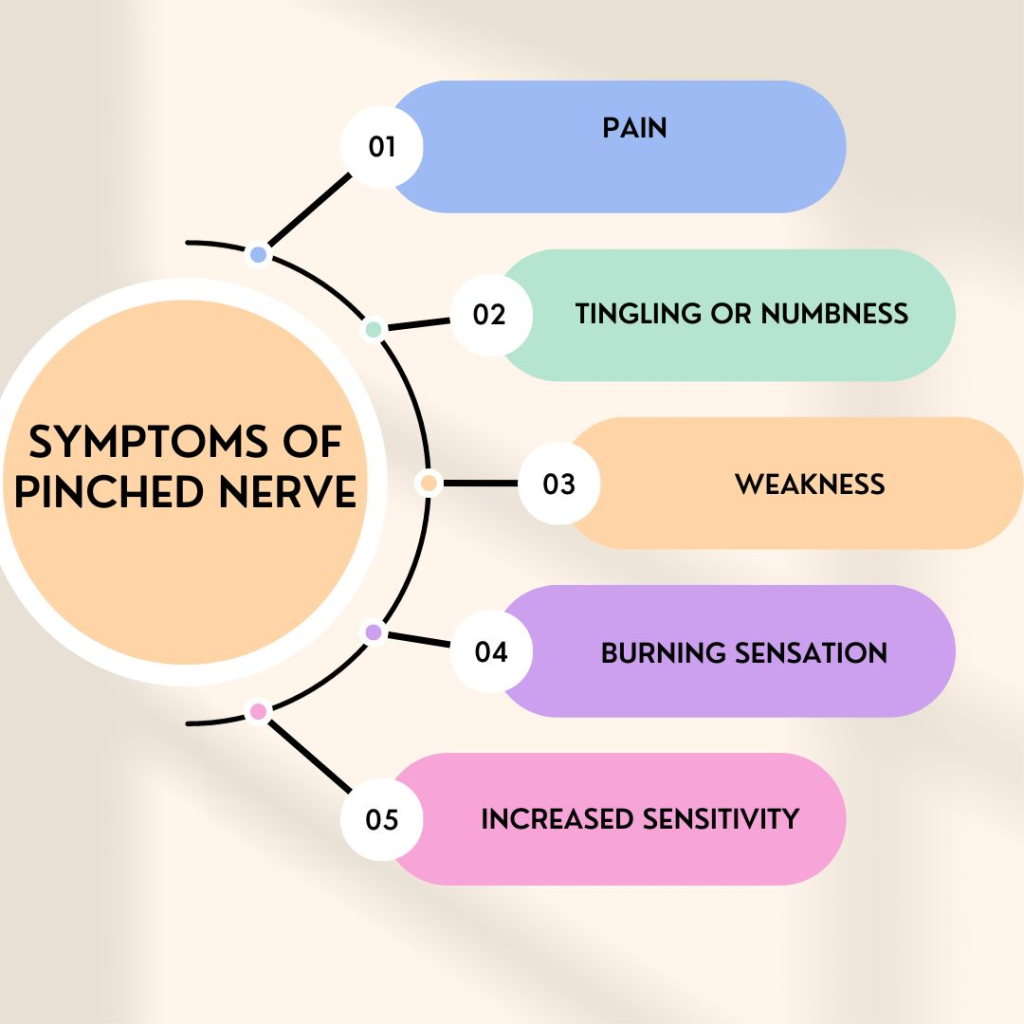
Recognizing the symptoms early can help in faster treatment and recovery.
Common signs include:
- Sharp or burning pain
- Tingling or “pins and needles” sensation
- Numbness in the affected area
- Muscle weakness
- Pain radiating outward (e.g., from the back into the leg or from the neck into the shoulder
These symptoms can be constant or intermittent, depending on the severity of the compression.
What Causes a Pinched Nerve?
Pinched nerves can result from a wide range issues, including:
- Herniated discs
- Bone spurs
- Poor posture
- Repetitive motion injuries
- Obesity
- Arthritis
- Injury or trauma
- Prolonged bed rest or poor sleeping position
Even stress can lead to muscle tension that may indirectly compress a nerve.
How long does a Pinched Nerve Last?

Pinched nerve symptoms can range from mildly annoying to intensely painful, depending on how much pressure is placed on the nerve and for how long. So, here’s the answer you’ve been waiting for: Most pinched nerves last from a few days to several weeks. In some chronic or severe cases, symptoms can linger for months or even become permanent if left untreated.
Let’s break it down:
Mild Cases:
In mild cases, the nerve is usually compressed by temporary inflammation, poor posture, or minor overuse.
- Duration: A few days to 1-2 weeks
- Recovery Tip: Rest, ice or heat therapy, over-the counter painkillers, and stretching can bring quick relief.
Moderate Cases:
Moderate pinched nerves often involve more prolonged compression, sometimes due to a bulging disc, muscle tightness, or repetitive strain.
- Duration: 2-6 weeks
- Recovery Tip: May require physical therapy, ergonomic changes, and consistent stretching/exercise routines.
Severe or Chronic Cases:
Severe or long-standing pinched nerves are often caused by serious underlying conditions such as herniated discs, spinal stenosis, or arthritis.
- Duration: Several months or more
- Recovery Tip: Medical intervention such as steroid injections or even surgery might be necessary. Permanent nerve damage can occur if not properly treated.
No matter the severity, early diagnosis and proper treatment play a crucial role in speeding up recovery and preventing long-term nerve damage.
Effective Treatments for Pinched Nerves:
While a pinched nerve can cause discomfort and limit your movement, the right approach can make a big difference. Most cases respond well to non-surgical care if managed in time.
Let’s look at the most effective ways to treat and relieve a pinched nerve:
1. Rest and Lifestyle Changes:
Avoiding movements that aggravate the nerve and taking to rest are critical in early stages.
2. Medications:
- NSAIDs (like ibuprofen) reduce inflammation.
- Muscle relaxants may be prescribed for spasms.
- Oral steroids can help reduce nerve swelling.
3. Physical Therapy:
A physical therapist can design exercises to relieve pressure, strengthen supporting muscles, and improve flexibility.
4. Heat and Therapy:
- Ice reduces inflammation in the early stages.
- Heat can help relax tense muscles after inflammation has subsided.
5. Steroid Injections:
For severe pain, corticosteroid injections may be used to reduce inflammation and provide long-term relief.
6. Surgical Options:
If all other treatments fail and symptoms persist beyond 12 weeks, surgery may be considered to remove the source of compression.
Note: Choosing the right treatment early can significantly reduce healing time and help you return to a pain-free, active lifestyle faster.
When to See a Doctor?
In some cases, you may be able to remedy a pinched nerve at home without requiring any further treatment.
But you should see doctor if:
- Pain is severe or worsening
- You notice muscle weakness
- Symptoms persist for more than 2 weeks
- You experience bladder or bowl issues (can indicate a serious nerve problem)
Early diagnosis through imaging like MRI, CT scan, or nerve conduction studies can pinpoint the cause and prevent long-term damage.
Final Thoughts: Be Patient with your Nerves
So, how long does a pinched nerve last? The simple answer – it depends. Some people recover in just few days, while others may need months of treatment. The key lies in early detection, proper care, and patience. Nerves time to heal, but with the right strategy and full support, full recovery is absolutely possible.
Don’t ignore your pain. Address it. Heal it. And protect your body for the future!


