
How Long Can a Temporary Crown Last? What You Need to Know Before the Permanent Fix
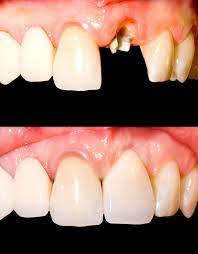
You just left the dentist’s chair with a freshly placed temporary crown. It feels a little odd, maybe slightly sensitive, and you’ve been told to “wait for the permanent crown.” But now you’re wondering: how long can a temporary crown last? And more importantly—what happens if it lasts too long?
Whether you’re waiting for a lab to craft the final version or your schedule is pushing out appointments, knowing the limits of a temporary crown is essential. This guide will answer exactly how long they can hold up, what they’re made of, how to take care of them, and when they can turn from a short-term solution into a long-term problem.
What Is a Temporary Crown?
A temporary crown is a short-term cap placed over a damaged or treated tooth while your permanent crown is being custom-made. It protects the tooth, maintains the space, and allows you to function normally while waiting for your final restoration.
These crowns are typically made from materials like:
- Acrylic resin
- Composite resin
- Stainless steel (in some pediatric cases)
They’re not meant to last forever—but they’re crucial during the in-between period.
So, How Long Can a Temporary Crown Last?

In general, a temporary crown is designed to last 2 to 3 weeks, which is usually the time it takes for your permanent crown to be fabricated and ready for placement.
However, under certain circumstances, a temporary crown can last up to 6 weeks—and in rare cases, even 2 to 3 months—with proper care and no complications. But that doesn’t mean it should.
Let’s look at the timeframes more closely:
Ideal Duration:
7 to 21 days — Most dental offices aim to place the permanent crown within this window.
Extended Duration (Not Ideal):
3 to 6 weeks — May be acceptable if there are delays in crown fabrication or appointments, but requires caution and extra care.
Overextended Duration:
6+ weeks — Not recommended. Risks of damage, infection, or shifting of the underlying tooth increase significantly.
What Happens If You Keep a Temporary Crown Too Long?
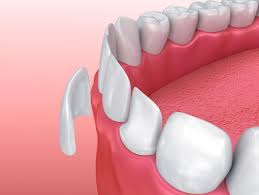
The longer you leave a temporary crown on, the higher the chance of complications such as:
- Wear and tear – It’s not as durable and may crack or chip.
- Loosening – The temporary cement can break down over time.
- Tooth sensitivity – Exposed margins can lead to hot/cold sensitivity.
- Bacterial leakage – Can lead to decay or infection around the tooth.
- Tooth movement – The underlying tooth may shift slightly, causing poor fit for the permanent crown.
Delaying a permanent crown for too long could ultimately lead to needing additional procedures, like a root canal or a crown remake.
How to Make Your Temporary Crown Last (Safely)
If you must wear a temporary crown longer than expected, here are some important care tips:
- Avoid sticky or chewy foods – These can pull the crown off.
- Chew on the opposite side – Minimize pressure on the crown.
- Brush gently around the crown – Use a soft-bristle toothbrush.
- Don’t floss up and down – Instead, slide floss out sideways to prevent dislodging the crown.
- Call your dentist if it feels loose – Don’t wait for it to fall off completely.
When Should You See the Dentist?
Don’t wait for pain or damage to occur. You should revisit your dentist immediately if:
- The temporary crown falls off
- You experience sharp pain or swelling
- The crown cracks or breaks
- You feel the crown shifting or loosening
The longer these issues go untreated, the more complicated (and costly) the fix could become.
Final Note
So, how long can a temporary crown last? Ideally, it should only stay in place for 2 to 3 weeks—long enough to protect your tooth until the permanent one is ready. Though some may hold up for a month or more, that’s never the goal.
Temporary crowns are a stopgap, not a solution. Treat them with care, keep communication open with your dentist, and don’t postpone that follow-up. Remember, a well-timed permanent crown means fewer complications and a healthier, longer-lasting smile.