
How Long Does Tendonitis Take to Go Away Wrist? Here’s What You Need to Know
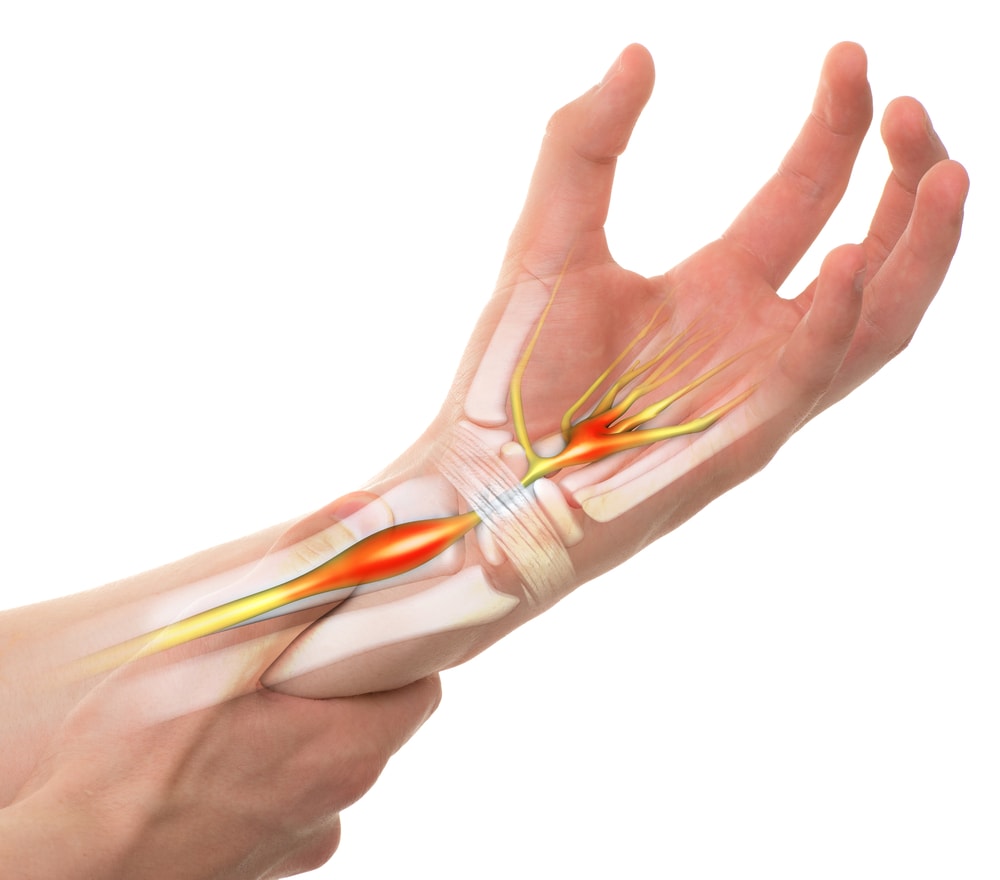
One day you’re typing, lifting, or gaming like usual—and the next, there’s a dull, nagging pain in your wrist that just won’t quit. It’s stiff in the morning, tender by evening, and now you’re Googling: “how long does tendonitis take to go away wrist” with hope and frustration in equal measure.
Tendonitis in the wrist is more common than most people think. Whether it’s from repetitive motion, overuse, or sudden strain, wrist tendonitis can become a real obstacle to everyday life. But the good news? It’s treatable. The catch? Recovery takes time—and how much depends on what you do next.
Let’s break down how long wrist tendonitis typically lasts, what factors influence healing, and what steps you can take to speed up recovery (and avoid making it worse).
What Exactly Is Wrist Tendonitis?
Wrist tendonitis is the inflammation or irritation of the tendons that connect your forearm muscles to your wrist and hand bones. These tendons are responsible for movement and support—so when they’re overworked or injured, even basic tasks like turning a doorknob or lifting a mug can cause pain.
Common causes include:
- Repetitive strain from typing, texting, gaming, or sports
- Poor wrist ergonomics at work or while lifting
- Sudden overuse (like a long weekend of yard work or cleaning)
- Underlying conditions, such as arthritis or diabetes
How Long Does Tendonitis Take to Go Away in the Wrist?
On average, mild to moderate wrist tendonitis takes anywhere from 2 to 6 weeks to fully heal with proper care. However, that timeframe can stretch to 3 months or more if the tendon has been under prolonged stress or if treatment is delayed.
Let’s break it down further:
Mild Tendonitis (Early Stage):

- Recovery time: 1 to 3 weeks
- Symptoms: Occasional discomfort, mild stiffness, no swelling
- Care: Rest, ice, proper ergonomics, over-the-counter anti-inflammatories
Moderate Tendonitis:
- Recovery time: 4 to 6 weeks
- Symptoms: Persistent pain, swelling, reduced wrist function
- Care: Activity modification, physical therapy, braces/splints, prescribed medication
Chronic or Severe Tendonitis:
- Recovery time: 2 to 3 months (or more)
- Symptoms: Constant pain, visible swelling, weakness, risk of tendon degeneration
- Care: Advanced therapy, steroid injections, and in rare cases, surgery
What Slows Down Recovery?
Sometimes tendonitis sticks around longer than expected. Here’s what commonly causes delays:
- Ignoring early symptoms and continuing repetitive motions
- Improper wrist positioning during work or exercise
- Lack of rest or overuse during healing
- Underlying health issues, like diabetes or autoimmune disorders
- Poor treatment compliance—not wearing braces, skipping therapy, etc.
The wrist is constantly in motion throughout the day—so if you’re not actively managing the strain, healing can stall.
Tips to Help Wrist Tendonitis Heal Faster

If you want to reduce how long wrist tendonitis takes to go away, take action early and stay consistent with your recovery plan. Here’s what helps:
- Rest and modify activity: Take frequent breaks from repetitive motion
- Use cold compresses: Ice packs reduce swelling and inflammation
- Wear a wrist brace: Especially while working or sleeping
- Stretch and strengthen: Only after acute pain subsides, under guidance
- Anti-inflammatory meds: Ibuprofen or naproxen can ease pain
- Improve ergonomics: Adjust your workstation or lifting technique
- Physical therapy: Tailored exercises speed up healing and prevent recurrence
When to See a Specialist
If the pain hasn’t improved after a few weeks—or if it’s interfering with daily function—it’s time to consult a doctor. Ignoring chronic tendonitis can lead to tendinosis, where the tendon starts to degenerate, requiring longer and more intensive treatment.
Final Note
So, how long does tendonitis take to go away wrist? The answer depends on severity and how quickly you respond to it. With early intervention and consistent care, most people recover within a few weeks. But if ignored, tendonitis can linger for months and become a recurring issue.
Don’t wait for the pain to control your day. Recognize the symptoms, give your wrist the break it deserves, and take smart steps toward healing. Your hands are your tools—treat them with care.


