
How Long Does Lidocaine Last? A Complete Breakdown of This Powerful Local Anesthetic

Have you ever had a tooth pulled, a mole removed, or a tattoo etched into your skin — all without feeling a thing? That numb, painless experience was likely brought to you by a wonder drug called lidocaine. It’s one of the most widely used local anesthetics in medicine and cosmetics, but many people still ask: How long does lidocaine last?
Whether you’re getting dental work done, using it topically, or applying it for nerve pain relief, understanding how lidocaine works and how long its effects last can help you prepare mentally and physically.
Let’s dive into the fascinating science and practical usage of lidocaine, its lasting power, and how different factors can influence its effect on your body.
What Is Lidocaine?
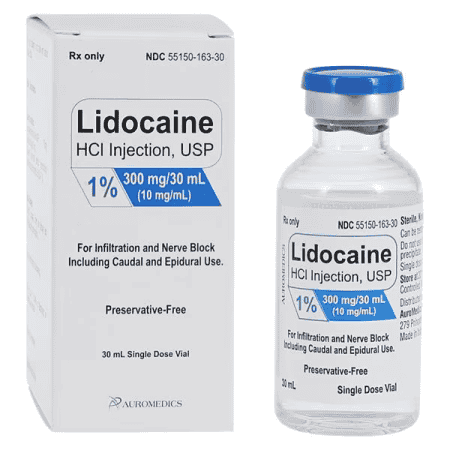
Lidocaine is a local anesthetic and antiarrhythmic drug used to numb specific parts of the body temporarily. Unlike general anesthesia, lidocaine does not knock you out — it simply blocks nerve signals in a localized area so you don’t feel pain.
It was first synthesized in 1943 and has since become an essential part of dental procedures, minor surgeries, cosmetic treatments, and chronic pain management.
How Does Lidocaine Work?
Lidocaine works by blocking sodium channels in nerve cells. Nerve signals rely on the movement of sodium ions to transmit messages — especially pain — to the brain. Lidocaine interrupts this process, meaning pain signals can’t reach your brain. As a result, you experience numbness or loss of sensation in the area where it’s applied or injected.
How Long Does Lidocaine Last?
The duration of lidocaine’s effects varies depending on several factors such as form, method of delivery, and whether it’s used with or without epinephrine (a vasoconstrictor that prolongs its effect).
Here’s a breakdown:
1. Injectable Lidocaine

- Onset: 2–5 minutes
- Duration:
- Without epinephrine: 1 to 2 hours
- With epinephrine: 2 to 4 hours
Injectable lidocaine is often used in:
- Dental surgeries
- Skin biopsies
- Minor outpatient procedures
- Suturing wounds
2. Topical Lidocaine (Creams, Gels, Sprays)
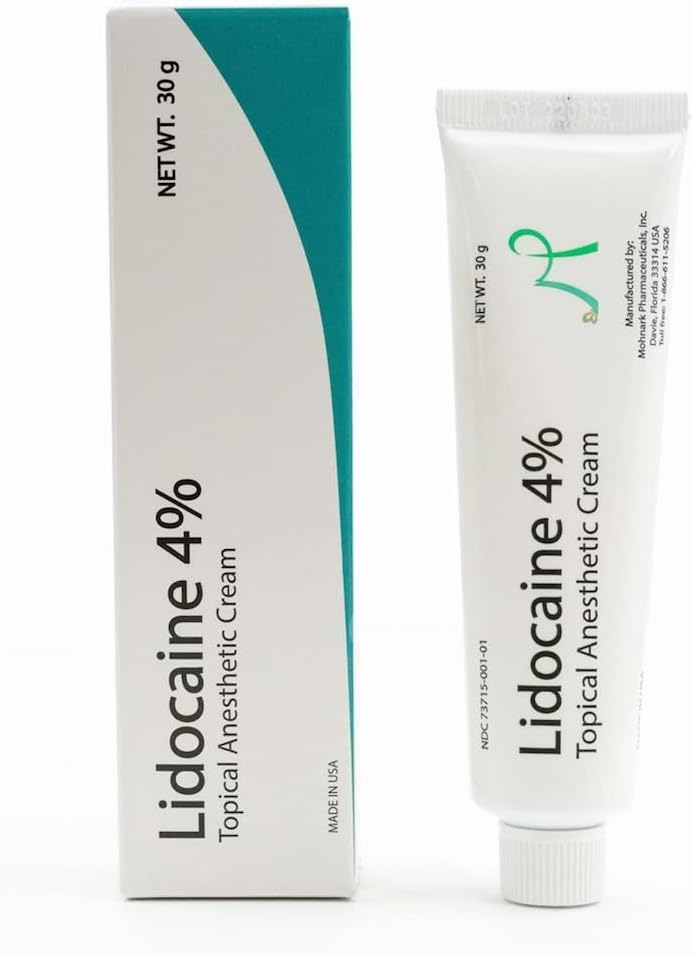
- Onset: 20 to 30 minutes after application
- Duration: 30 minutes to 1.5 hours
Used in:
- Tattoo sessions
- Laser hair removal
- Minor burns or insect bites
- Surface-level skin pain
3. Lidocaine Patches (e.g., 5% patches for nerve pain)

- Onset: Gradual — usually noticeable after 1–3 hours
- Duration: Patch is worn up to 12 hours; numbing may persist 1–2 hours after removal
Used in:
- Chronic nerve pain (like postherpetic neuralgia)
- Muscle soreness
- Back pain relief
Factors That Affect Lidocaine’s Duration
The actual time lidocaine lasts can vary based on multiple variables:
1. Form of Administration
- Injections tend to last longer and reach deeper tissue layers.
- Topical creams work on the surface and may wear off quicker.
2. Concentration and Dose
- Higher concentrations generally provide more profound and longer-lasting numbness.
- However, excessive doses can lead to lidocaine toxicity.
3. Presence of Epinephrine
- Epinephrine constricts blood vessels in the area, preventing lidocaine from dispersing quickly — prolonging the numbing effect.
4. Location of Application
- Areas with more blood flow (e.g., face, scalp) may metabolize lidocaine faster.
- Fatty or low-circulation areas may retain its effects longer.
5. Your Body’s Metabolism
- People with fast metabolisms may process and eliminate lidocaine more quickly.
- Liver function also plays a significant role in breaking down lidocaine.
Signs That Lidocaine Is Wearing Off

You’ll typically know lidocaine is fading when you start to feel:
- Tingling or pins-and-needles sensations
- A return of sensitivity to touch or temperature
- Mild discomfort, pressure, or dull pain reappearing
In dental cases, it might start with the tingling of lips or cheeks, signaling the nerve block is reversing.
Safety Considerations and Risks
Although lidocaine is generally safe when used appropriately, overuse or misuse can be dangerous.
Symptoms of Lidocaine Overdose or Toxicity:
- Dizziness or confusion
- Blurred vision or tinnitus
- Numbness beyond the applied area
- Seizures (in extreme overdose cases)
- Slow or irregular heartbeat
Never apply lidocaine on large areas of skin without medical guidance and avoid reapplying too quickly. Always follow medical instructions for dosage and application.
Uses of Lidocaine in Different Fields
Dentistry
Numbs teeth and gums for fillings, extractions, and root canals.
Dermatology & Cosmetics

Used before:
- Microneedling
- Botox
- Chemical peels
- Waxing
Surgery
Minor procedures like mole removal or biopsies rely on lidocaine for comfort.
Pain Management
Topical creams and patches help manage nerve and musculoskeletal pain.
Emergency Medicine
Injectable lidocaine can treat ventricular arrhythmias (irregular heart rhythms).
Myths About Lidocaine
Myth 1: “It numbs you for the whole day.”
Truth: Lidocaine has a short lifespan, typically under 4 hours unless extended by epinephrine.
Myth 2: “If it wears off, just apply more.”
Truth: Over-application can lead to serious side effects. Always follow dosage instructions.
Final Thoughts
So, how long does lidocaine last? It generally offers 30 minutes to 4 hours of relief, depending on how it’s administered and where. Whether it’s a quick dental visit, a tattoo session, or pain relief patch, lidocaine is a trusted ally in modern medicine.
Understanding its duration, uses, and safety guidelines gives you the power to prepare and recover better from treatments and procedures. And next time you feel that numb zone take over, you’ll know exactly what’s happening and how long it’ll last — painlessly and confidently.