How Do They Do Surgery on a Torn Biceps? A Complete Breakdown from Injury to Recovery

It happens in a flash—you lift something heavy, feel a sudden snap in your upper arm, and everything changes. A torn biceps is a painful and disabling injury that sidelines athletes, workers, and fitness enthusiasts alike. But once the initial shock fades, a common and crucial question arises:
“How do they do surgery on a torn biceps?”
In this comprehensive guide, we’ll uncover:
- What exactly happens when the biceps is torn
- How surgical repair is performed step by step
- What recovery looks like
- Risks, costs, and when surgery is necessary
Whether you’re researching for yourself or someone else, this post offers all the relevant and realistic details.
What Is a Torn Biceps?

The biceps brachii is the large muscle at the front of the upper arm. It plays a key role in:
- Flexing the elbow
- Rotating the forearm (supination)
- Lifting and pulling motions
The biceps connects to bones at three points:
- Two tendons at the shoulder (long and short head)
- One tendon at the elbow (distal biceps tendon)
A tear typically occurs in one of these tendons, especially the distal tendon near the elbow, and is most often caused by:
- Lifting something too heavy
- Sudden arm trauma
- Overuse or degeneration over time
Who Typically Needs Surgery?
Not all biceps tears require surgical intervention. However, surgery is strongly recommended if:
- You’ve suffered a complete tendon rupture
- You’ve lost a noticeable amount of strength
- You’re young or physically active
- Your job requires manual labor or lifting
- You want to restore full range of motion and muscle contour
Older adults with partial tears may choose physical therapy, but surgery often provides better long-term outcomes for active individuals.
How Do They Do Surgery on a Torn Biceps?
Let’s walk through the full surgical process, from anesthesia to tendon reattachment:
1. Pre-Surgical Planning

- Imaging (MRI or ultrasound) confirms the tear and its location.
- The surgeon evaluates the extent of retraction, damage, and inflammation.
- Patients are advised to stop blood-thinning medications and fast prior to surgery.
2. Anesthesia and Positioning
- General or regional anesthesia is administered.
- For distal biceps repair, the patient lies on their back with the arm extended.
- The surgical site is sterilized and draped.
3. Incision and Exposure
- A small incision (typically 2–4 inches) is made at the elbow crease or upper arm.
- The torn tendon is located. If it has retracted, the surgeon gently frees it.
- Damaged tissue is removed, and the end of the tendon is prepared for reattachment.
4. Fixation Techniques
There are a few different methods surgeons may use to reattach the tendon:
Suture Anchors
- Screws with sutures are implanted into the bone.
- The tendon is sutured and tied down, pressing it securely against the bone.
Cortical Button (EndoButton)
- A strong button is passed through a small tunnel in the bone.
- The tendon is pulled through and secured like a toggle.
Bone Tunnels
- Holes are drilled through the bone.
- The tendon is looped and tied through the tunnel, allowing it to heal in place.
The choice depends on tendon quality, tear pattern, and surgeon preference.
5. Closure
- The wound is irrigated and closed in layers using dissolvable sutures.
- A sterile dressing is applied.
- The arm is immobilized in a sling or brace to prevent movement.
How Long Does the Surgery Take?
- On average: 60–90 minutes
- Outpatient procedure: Most patients go home the same day
- Mild sedation may be combined with local anesthesia in certain cases
Post-Surgical Care and Recovery
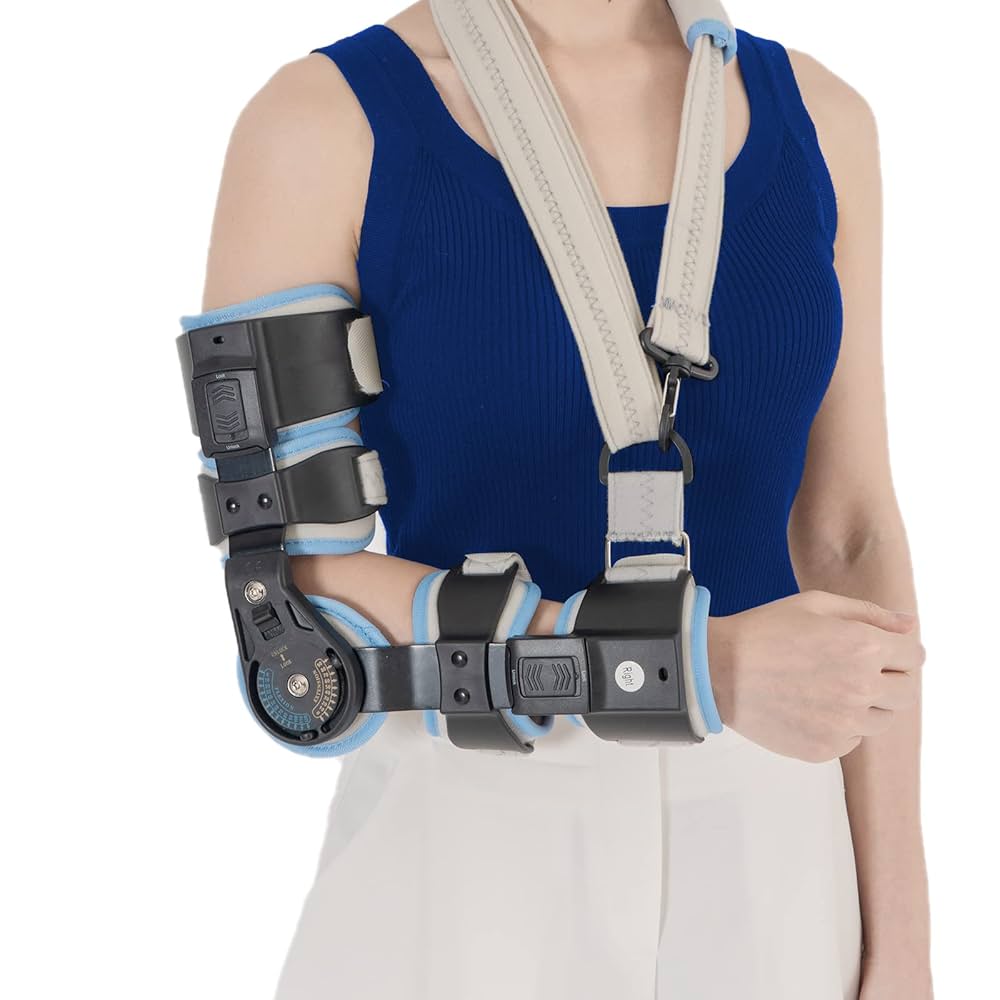
Week-by-Week Timeline:
| Time Frame | Recovery Details |
| Week 1–2 | Immobilization, pain meds, reduce swelling |
| Week 3–4 | Gentle passive movements with a therapist |
| Week 5–8 | Begin active range of motion exercises |
| Month 3 | Gradual return to strength and resistance training |
| Month 4–6+ | Resume regular activities, sports, and lifting |
Recovery may be longer for proximal biceps repairs or in older patients.
Potential Risks and Complications
Though biceps surgery is generally successful, potential complications include:
- Nerve damage (especially to the radial or median nerve)
- Infection or poor wound healing
- Tendon re-tear (rare if rehab is followed)
- Stiffness or reduced range of motion
- Blood clots (especially if not mobile after surgery)
Adhering to physical therapy is crucial for avoiding these outcomes.
Cost Breakdown: How Much Does Biceps Surgery Cost?
The average cost (in the U.S.):
- With insurance: Out-of-pocket may be $500–$3,000
- Without insurance: Total can range from $6,000 to $15,000+
The price varies depending on:
- Surgeon fees
- Hospital/surgical center costs
- Region or state
- Anesthesia and post-op care
Some workers’ comp or sports insurance policies may cover the full amount.
Final Thoughts
A torn biceps can feel like a setback, but it doesn’t have to be permanent. Knowing how they do surgery on a torn biceps gives you an inside look into a precise, well-studied procedure designed to restore strength, function, and confidence.
If you’re facing this surgery or supporting someone who is, remember:
- Act early for better outcomes.
- Follow rehab protocols with discipline.
- Trust the process—recovery is gradual, but powerful.
Your biceps aren’t just muscle. They represent capability. And with the right care, you’ll be back to full strength sooner than you think.