
How Many Chapters in Black Myth: Wukong? A Thorough Exploration of Its Epic Structure
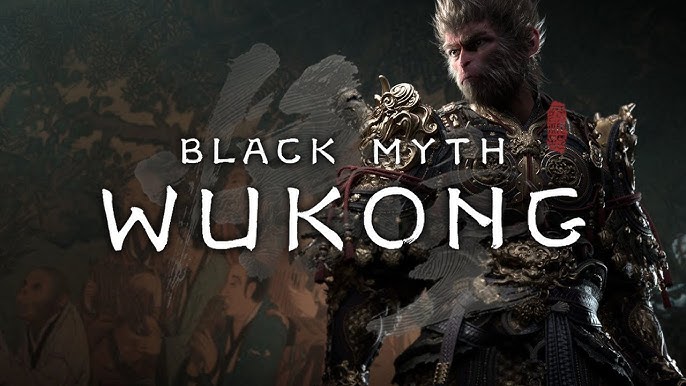
If Black Myth: Wukong has caught your eye—and captured your imagination—you’re probably curious about its structure. Waters begin simply, but the river flows deep. So while the game has a finite number of chapters, each one embodies layers of lore, mechanics, environment, and narrative nuance.
Chapter Count: The Short Answer with Depth
Black Myth: Wukong is structured into six main chapters, each corresponding with one of the Buddha-dispensed Relics tied to the six senses. Yet, the emotional, thematic, and gameplay depth layers these chapters well beyond a mere six-part outline.
| Chapter | Region Name | Real World Equivalent | Core Relic | Dominant Sense |
| 1 | Black Wind Mountain | Mountainous terrain | Sight | Eyes |
| 2 | Yellow Sand Desert | Arid desert area | Hearing | Ears |
| 3 | The New West (Snow/Ice) | Frozen plateau | Smell | Nose |
| 4 | Webbed Hollow/Ridge | Swampy/misty terrain | Taste | Tongue |
| 5 | Flaming Mountains | Lava fields | Touch | Body |
| 6 | Mount Huaguo | Sacred mountain | Mind | Soul |
These chapters are integrated with layered environments, optional content, and hidden connections that go beyond their labels.
Narrative, Structure, and Play Design

Though Black Myth: Wukong is linear in its chapter progression, it’s not simple. Consider this:
- Interlaced Backstory: Each environment reveals layers of backstory—statues, archival scrolls, NPC memories, and flashback sequences enrich your understanding of Wukong’s motives and fate.
- Environmental Depth: Chapter 1 sets a mythic mountain tone. Chapter 3’s frozen plateau isn’t just a change in terrain—it reflects emotional themes of frost and resilience.
- Chapter Two’s Desert isn’t a barren wasteland. Hidden caves hold side bosses; shifting sands reveal hidden dangers.
- Mythical Aim: The six relics are not mere collectibles—they tie into Buddhist philosophy by “clearing” each sense.
Playtime and Per-Chapter Length
Though there are only six chapters, the total time investment is anything but short:
- Main Story: 25–30 hours to complete the critical path.
- Full Path + Major Extras: 30–45 hours for those who explore optional bosses and hidden areas.
- Completionist Runs: 55–70+ hours for trophy hunters and lore seekers.
Estimated chapter-by-chapter length:
- Chapter 1: 3–5 hours
- Chapter 2: 4–6 hours
- Chapter 3: 6–8 hours (most expansive)
- Chapter 4: 4–6 hours
- Chapter 5: 3–5 hours
- Chapter 6: 2–4 hours (focused finale)
Gameplay Depth and Mechanics
Each chapter serves as a mechanical evolution in:
- Combat: Early chapters focus on basic melee, later ones add divine powers, powers using relics to reveal stealth enemies or hidden paths.
- World Interaction: Early areas teach climbing and platforming. Later chapters introduce environmental puzzles tied to relic powers.
- Boss Structuring: Bosses range in difficulty and mechanics. Mandatory versus optional fights give a layered challenge model.
The Balance of Yin and Yang in Black Myth: Wukong

The Yin and Yang is visually and mechanically styled: mountain legends, ancient temple battles, lava-worshipping demons, all reflecting deeper values of redemption, pride, and enlightenment.
In Chinese philosophy, Yin and Yang represent the duality of the universe: light and dark, cold and heat, chaos and order, spiritual and physical, destruction and creation. Black Myth: Wukong beautifully incorporates this idea throughout the game — not only in its visual storytelling, but in its combat mechanics, enemy design, and moral choices.
Secrets, Optional Content & Replay Incentives
Even though the chapter count is fixed, exploration possibilities are far from capped:
- Secret Bosses: Estimates suggest over 100 total bosses—many hidden behind obscure paths or puzzles.
- Optional Zones: Sub-boss caves, spiritual shrines, zodiac-linked areas, and corridors with powerful loot.
- Fast Travel: Though you cannot replay chapters sequentially, once a shrine unlocks in an area, you can revisit earlier chapters for collectibles or secret bosses.
- New Game Plus (NG+): After completing a full playthrough, NG+ unlocks higher difficulty, retained relic progression, alternate strategies, and trophies.
Players seeking every hidden challenge can spend well over 70 hours, with replayability built around curiosity and lore mastery.
Behind the Development Curtain
The developer, Game Science Studio, built the game on proprietary tech capable of nearly cinematic visuals and biome realism. Known for protracted development cycles and beta stages, they released demos to ensure:
- Boss behaviors react fluidly to player strategy
- Environments are dense and reactive to powers
- Relic mechanics are intuitive yet profound
Ongoing content updates and DLC prospects may expand the chapter count or add alternate retelling modes—but officially, the game ships as six core chapters.
Themes and Philosophical Significance

Each chapter doesn’t just represent a physical location—it symbolizes an emotional or spiritual theme:
- Sight (Eyes) in Chapter 1 explores ignorance vs clarity
- Hearing (Ears) in Chapter 2 deals with reckoning and awareness
- Smell (Nose) in Chapter 3 explores spiritual scent
- Taste (Tongue) in Chapter 4 touches on emotional desire
- Touch (Body) in Chapter 5 represents strength and empathy
- Mind (Soul) in Chapter 6 explores true understanding and destiny
These aren’t superficial mechanics—they inform narrative events and boss motivations as well as NPC dialogue.
Final Thoughts
So, how many chapters are in Black Myth: Wukong? The answer is six. But calling this a “six-chapter game” sells it short. Each chapter is vast, rich, layered—part video game and part mythic pilgrimage.
Estimated total engagement time: 30 to 70+ hours, based on curiosity, challenge, and completionism.
If you’re drawn to artistry, lore, story, atmosphere, and precision combat—the six chapters are your invitation to walk deeper, fight harder, and awaken greater than before.
Every relic you claim, every boss you conquer, every secret you reveal—makes Black Myth: Wukong more than a numbered chapter count. It becomes a spiritual journey.