
How to Sleep with Baker’s Cyst: Smart Strategies for Restful Nights Despite Knee Pain
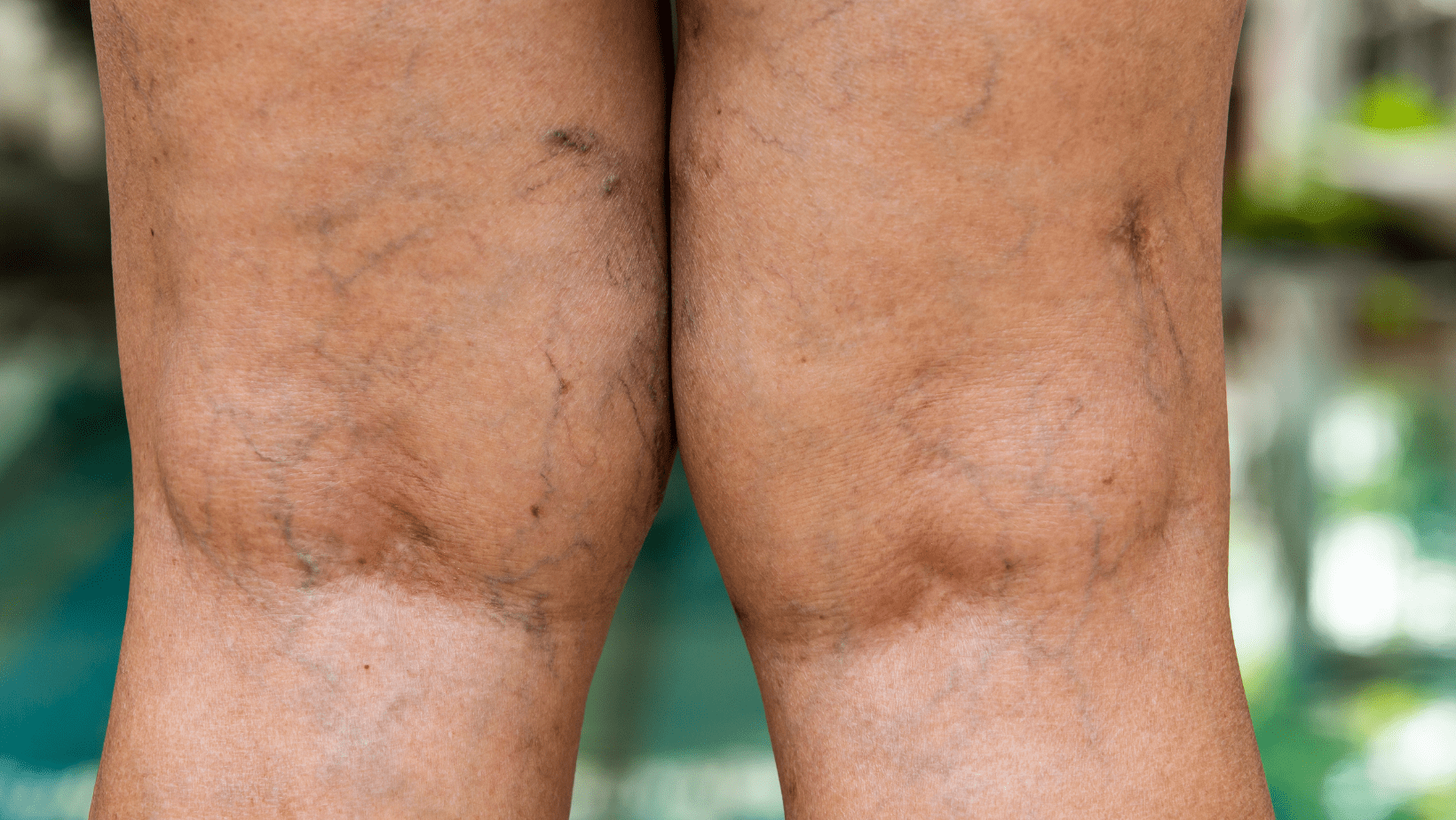
There’s nothing more frustrating than climbing into bed exhausted—only to be kept awake by a throbbing, swollen sensation behind your knee. If you’ve been diagnosed with a Baker’s cyst, you already know that even resting can become a challenge. The real problem isn’t just the cyst itself, but how it interferes with your ability to relax, shift positions, and get uninterrupted sleep.
So, the question is: how to sleep with Baker’s cyst and wake up feeling somewhat refreshed?
This post walks you through practical, evidence-based ways to reduce discomfort and optimize your sleeping position. Whether the pain is sharp, dull, or simply persistent, these approaches will help you reclaim your night—without relying solely on painkillers.
Understanding Baker’s Cyst and Night Discomfort
A Baker’s cyst, also known as a popliteal cyst, is a fluid-filled swelling that develops behind the knee joint. It’s often caused by underlying issues like:
- Arthritis (especially osteoarthritis or rheumatoid arthritis)
- Meniscus tears
- Joint inflammation
- Overuse or injury
At night, symptoms often worsen because:
- Inflammation settles after a day of movement
- Lying flat can increase fluid pooling
- Leg positions can press on the cyst, triggering pain
Sleeping with a Baker’s cyst is challenging—but manageable with the right adjustments.
How to Sleep with Baker’s Cyst: Step-by-Step Guide
1. Elevate the Affected Leg

Gravity can be your friend. Elevating your leg above heart level helps reduce swelling and internal pressure behind the knee.
- Use a firm pillow or wedge under your knee and calf.
- Avoid bending the leg too sharply—keep it slightly flexed, not locked straight.
- If needed, use extra pillows to stabilize the rest of your body.
Why it works: Elevation promotes lymphatic drainage and reduces inflammation that causes discomfort during sleep.
2. Choose the Right Sleeping Position
Position matters more than you think.
- Back Sleepers: Ideal for most cases. Use a pillow under the knee to keep it gently bent and supported.
- Side Sleepers: Sleep on your unaffected side with a pillow between your knees. This keeps your legs aligned and reduces stress on the swollen area.
- Avoid stomach sleeping, as it puts awkward pressure on your knees and spine.
Pro Tip: Try placing a small towel roll behind the affected knee if full pillows feel too bulky.
3. Apply Ice or a Cold Compress Before Bed
Cold therapy can significantly reduce inflammation before sleep.
- Apply an ice pack behind the knee for 15–20 minutes before bedtime.
- Always wrap it in cloth—never apply ice directly to the skin.
- Avoid icing too close to bedtime if it leaves you feeling too cold to fall asleep.
Why it works: Cold reduces blood flow in the area temporarily, easing pain and tightness.
4. Use Anti-Inflammatory Support (When Appropriate)
You may consider over-the-counter anti-inflammatories (NSAIDs) like ibuprofen before bed if your doctor approves. These can:
- Reduce swelling
- Alleviate pain that interferes with sleep
Always use medication responsibly and avoid long-term use without medical guidance.
5. Consider Compression Wraps (Cautiously)
Light compression using a knee sleeve can help support the joint and limit swelling buildup. But at night:
- Ensure it’s not too tight—cutting off circulation can worsen symptoms.
- Opt for soft, breathable fabric rather than rigid braces.
- Remove it if discomfort increases during sleep.
6. Gentle Stretching Before Bed

A few minutes of light hamstring and calf stretches can improve joint mobility and reduce fluid buildup behind the knee.
Stretch carefully:
- Avoid anything that causes sharp pain
- Focus on loosening tight muscles around the knee
Why it works: Muscular tension can worsen joint pressure. Looser muscles mean better blood flow and comfort.
7. Sleep on a Supportive Mattress
If your mattress is saggy or overly soft, it can misalign your lower body, placing extra pressure on the knees.
- Medium-firm mattresses usually provide the best orthopedic support.
- Consider adding a memory foam topper if you’re not ready to replace your mattress.
Final Note
If you’ve been wondering how to sleep with Baker’s cyst without tossing and turning all night, the solution isn’t just about numbing the pain — it’s about strategic positioning, reducing inflammation, and supporting your joint properly.
By elevating your leg, adjusting your sleeping posture, and using tools like cold therapy or compression (when necessary), you can take control of your nights again. While a Baker’s cyst might not disappear overnight, better sleep is entirely possible — and with consistent care, you’ll wake up feeling less stiff, less sore, and a lot more human.
Sleep smarter. Heal faster. Don’t let a swollen knee rob you of rest.


