
Is 10K Gold Good? A Clear Look at Value, Durability & Style
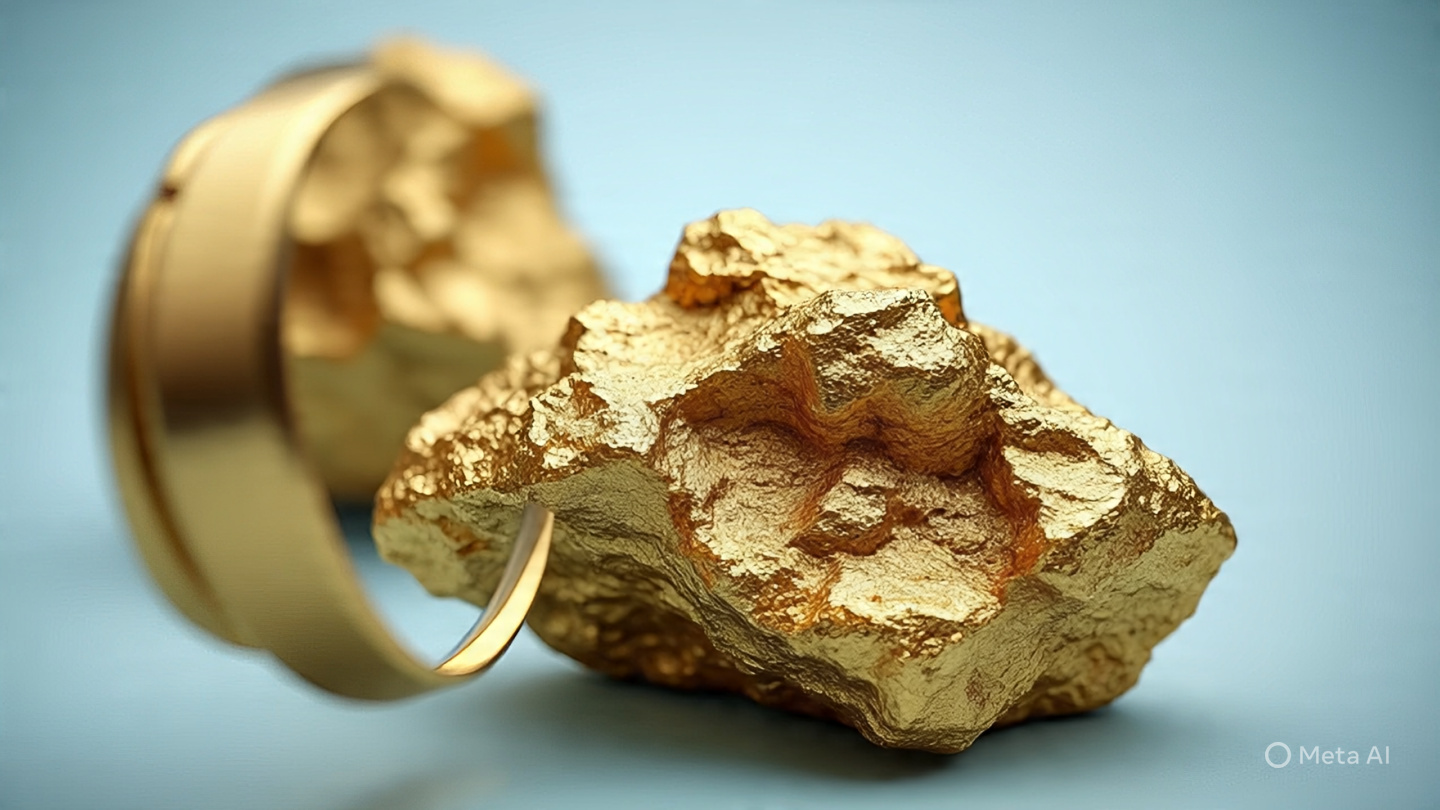
Have you ever admired a glistening gold ring or bracelet and wondered, “Is 10K gold good?” You’re not alone. Gold jewelry spans a spectrum from 10K to 24K, and understanding where 10K sits can help you decide if it’s the smart choice for your wallet, style, and everyday life.
This post dives deep into what 10K gold is, why it’s used, its advantages and drawbacks, its place in the jewelry world, and whether it deserves a spot in your collection.
What Is 10K Gold?
10K gold means the metal is composed of 10 parts gold and 14 parts other metals, making it 41.7% pure gold. The remaining metals—like copper, zinc, and silver—add strength and adjust color.
This blend is used worldwide, especially in the U.S., where 10K is the lowest karat that can still be legally marked as “gold.”
Benefits of 10K Gold
Affordability
Because it’s less pure, 10K gold is often significantly cheaper than 14K or 18K, making it a budget-friendly entry into gold jewelry.
Durable & Everyday-Ready
With more alloyed metals, 10K gold is tougher and scratch-resistant—perfect for rings, bracelets, and pieces worn daily.
Hypoallergenic Options
Though not as hypoallergenic as higher karats, 10K can work for many sensitive skin types, especially with nickel- or cadmium-free alloys.
Versatile Look
10K gold comes in yellow, white, or rose tones and still offers the classic gold appearance—ideal for a balance of beauty and value.
Disadvantages of 10K Gold
Lower Gold Content
At 41.7% pure gold, 10K is noticeably less rich-colored than 18K or 24K. Purists may find it doesn’t sparkle as deeply.
Prone to Tarnishing
Alloyed metals in 10K can oxidize or tarnish over time, whereas pure gold maintains its luster indefinitely.
Less Prestigious
Among collectors and investors, higher karats hold more prestige and intrinsic value. 10K sits at the entry level.
Why Is 10K Gold Used?
Manufacturers choose 10K gold because it delivers a cost-effective, durable, and attractive option for everyday jewelry. It keeps products wallet-friendly and long-lasting—key for engagement rings, wedding bands, and everyday accessories.
It also meets legal standards in many countries, giving consumers an affordable way to own real, hallmarkable gold.
Is 10K Gold Good Quality?
Whether 10K gold is good depends on your priorities:
- For longevity and affordability? Yes—it excels at both.
- For rich color and investment value? It’s less ideal.
10K gold is good quality for daily wear and those on a budget. But if you’re prioritizing color depth or gold purity, higher karats may be worth considering.
How 10K Gold Compares to Other Karats
| Karat | Gold Content | Durability | Color Richness | Price | Best For |
| 10K | 41.7% | Very High | Moderate | Very Affordable | Everyday wear, budget-conscious buyers |
| 14K | 58.3% | High | Warm and Rich | Mid-Range | Balanced beauty and cost |
| 18K | 75% | Moderate | Deep Yellow | Premium | Fine jewelry with richer color |
| 24K | 99.9% | Soft | Lustrous Yellow | Luxury | Investment or heritage pieces |
If you ask “is 10K gold good,” know that it leads on affordability and durability, but isn’t a color match for its higher-karat counterparts.
When to Choose 10K Gold
- If you want durable everyday rings that resist scratches and dents.
- When you’re budget-conscious but still want real gold jewelry.
- If you’re buying for children or active adults where toughness matters more than shine.
- When you prefer lightweight and sturdy accessories.
Care Tips for 10K Gold
- Clean gently with warm soapy water and a soft cloth.
- Store separately to avoid scratches.
- Avoid harsh chemicals and abrasive cleaners.
- Polish as needed to maintain golden shine and reduce tarnish.
With basic maintenance, your 10K gold jewelry can last a lifetime.
Final Takeaway
So, is 10K gold good? Absolutely—for:
- Daily wear durability
- Affordable pricing
- Good aesthetic appeal
It’s a practical, accessible version of gold—great for those wanting real gold rings, bracelets, or gifts without overspending. If you want deeper color or higher resale worth, consider 14K or 18K.
But as an everyday, resilient, budget-friendly choice, 10K gold is a solid, smart option.


