
Miniature Australian Shepherds Puppies Boxy: The Complete Guide
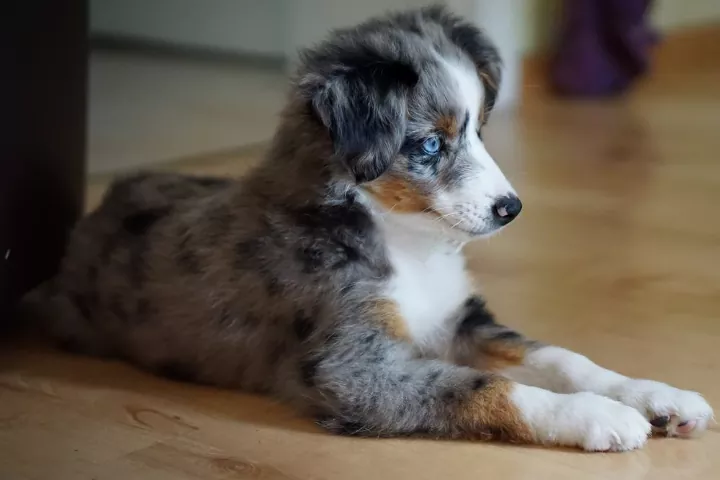
If you’re searching for miniature Australian shepherds puppies boxy, you’re eyeing compact, sturdy, intelligent pups with standout “boxy” physiques. This guide dives deep: from conformation and temperament to health, training, and breeder vetting. Let’s explore.
1. What “Boxy” Really Means in Mini Aussies
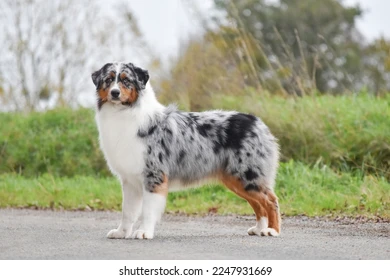
When breeders and owners describe miniature Australian shepherds puppies boxy, they’re referring to a visually distinct, compact build:
- Resembles a small rectangle rather than a lanky frame
- Legs are proportionally shorter, giving a squat, powerful look
- The torso is slightly longer than tall, with solid bone structure
- This “boxy” structure supports strong movement and agility, making it unique yet functional
2. Breed Background & Ideal Size Standards
Mini Aussies (often AKC-registered as Mini American Shepherds) originated in the U.S. during the 1960s–70s. The goal: retain the spirit, intelligence, and agility of a ranch Aussie but in a manageable size. Breed standards specify:
- Height range: 13–18 inches, depending on gender and registry
- Weight: 20–40 pounds, averaging around 30 lbs
- Boxy puppies are intentionally bred to fit this compact, proportionate profile
- Dogs bred outside standard lines (often backyard “mini Aussies”) may miss this balance
3. Temperament: Energy, Intelligence & Sociability
Boxy Mini Aussies share the working-dog DNA of their ancestors:
- Highly intelligent: thrive on learning tricks, performing tasks, and solving puzzles
- Energetic: require at least 45–60 minutes (often more) of daily exercise, including runs, play, and brain games
- Loyal and protective: form deep bonds with families and make attentive watchdogs
- Herding instincts: may chase children or animals—early training is vital for managing this trait
- Adaptable: do well in families, with other pets, and in active environments, provided they get sufficient stimulation
4. Health Profile & Life Expectancy
Boxy mini Aussies are robust, but must be monitored for breed-specific health issues:
- Lifespan: 12–15+ years with proper care
- Common concerns:
- Hip and elbow dysplasia (~8–9% prevalence)
- Eye disorders like PRA, cataracts, collie eye anomaly
- MDR1 gene mutations affecting drug sensitivity
- Epilepsy in certain lines
- Luxating patella, degenerative myelopathy, and allergies
- Health screenings (OFA for hips, CERF for eyes, and MDR1 testing) are the gold standard
- Lifelong transparency from breeders and veterinarians ensures healthier, boxy puppies
5. Coat, Shedding & Grooming
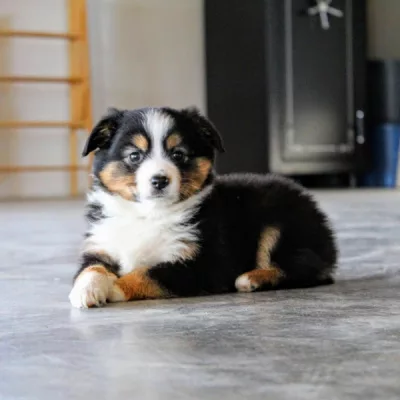
Boxy Mini Aussies have a telling and elegant coat:
- Double coat that is straight to slightly wavy, designed for moderate shedding
- Regular brushing: once weekly, daily during spring/fall “blowout” periods
- Bathing: occasionally or when dirty, but not too often—coat’s natural oils are essential
- Grooming needs: trim feet hair, mindful nail clipping, ear checks to prevent infection, and dental hygiene
- This moderate-care coat supports the boxy structure and ensures health and shine
6. Nutrition, Exercise & Long-Term Fitness
Boxy pups need tailored care:
- Diet: premium, age-appropriate dog food with 25%+ protein for muscle and joint health; adjust based on activity
- Exercise regimen:
- Daily walks/hikes, fetch, swimming
- Structured dog sports like agility and flyball channel their energy and instincts
- Indoor mental enrichment: puzzle toys, obedience drills, scent games
- Weight management: crucial to prevent joint stress and maintain boxy, athletic physique
7. Training & Behavioral Development
Harnessing the brilliance and energy of boxy mini Aussies requires a proactive strategy:
- Early training (as young as 7 weeks): hide it from basic commands (sit, stay, come) to proper manners and crate habits
- Positive social reinforcement: consistent rewards-based training builds confidence and resilience
- Socialization: critical within 3–16 weeks—introduce new people, animals, sounds, and environments to avoid fearfulness
- Advanced training: obedience classes, sport trials, therapy training, or advanced tricks provide purpose and confidence
- Behavior shaping: address nipping or herding by redirecting energy to fetch or jobs
8. Ethical Breeder Selection for Boxy Puppies
Finding a reputable breeder is indispensable:
- Genetic testing: hips, eyes, MDR1, patella—essential for healthy puppies
- Breed standard alignment: dogs should adhere to MASCA or AKC Mini American Shepherd standards (13–18 in; 20–40 lb)
- Home environment: puppies raised indoors, with early social interaction and exposure to daily life
- Support system: breeders offering health guarantees, guidance, and buy-back policies foster goodwill
- Red flags: backyard breeders, use of “teacup” labels, or absence of paperwork on lineage/health
9. House-Readiness & Welcome Home Checklist
When bringing a boxy miniature Aussie into your home:
- Initial vet check: mandatory vaccinations, microinjection, MDR1 screening
- Safe space: crate or pen with toys, bed, and security
- Routine setup: feeding, exercise, toilet breaks, training routines
- Early social exposure: puppy classes or additional training groups build social skills
- Long-term commitment: a boxy puppy is a 15-year partnership—ready your home mentally and physically
10. Why Choose a Boxy Mini Aussie?
Here’s why the boxy conformation is more than aesthetic:
- It preserves original herding dog structure in a compact frame
- Supports athletic agility without bulk or fragility
- Appeals to active families who want a robust, trainable, and intelligent companion
- Reflects breeders’ intentional refinement, not random downsizing
Final Takeaway
Miniature Australian shepherds puppies boxy offer an ideal balance: compact strength, smart temperament, and loyal companionship. With their distinctive build and herding instincts, they thrive in active households that commit to exercise, training, and longevity care. By partnering with a responsible breeder and following this guide, you’ll bring home a healthy, boxy compagnon for years of adventure.


