What Are Swarovski Crystals? The Complete Guide to Their Sparkle and Significance
Ever admired a piece of jewelry that sparkled like diamonds but didn’t cost a fortune?
Chances are, you were looking at Swarovski crystals. These shimmering stones have dazzled the world for over a century and continue to be a popular choice in fashion, home décor, and art. But what are Swarovski crystals really made of, and why are they so sought after?
Let’s explore the complete picture—what Swarovski crystals are, how they’re made, where they’re used, and what makes them both valuable and unique.
What Are Swarovski Crystals?

Swarovski crystals are high-quality, man-made precision-cut glass. They are crafted using a secret formula developed by the Swarovski company, which includes a combination of silica, soda, lime, and other minerals. What truly sets them apart is their exceptional cut, clarity, and shine—attributes carefully engineered to mimic the brilliance of diamonds.
Invented by Daniel Swarovski in 1895, these crystals were designed to bring luxury and beauty to a broader audience. With the help of his electric cutting machine, Daniel revolutionized the way crystals were made—allowing for sharp, precise facets that maximize light reflection and sparkle.
A Brief History of Swarovski
The Swarovski brand began in Wattens, Austria, and has since grown into a global name synonymous with elegance. Over the decades, Swarovski crystals have adorned everything from Hollywood costumes and red-carpet gowns to Olympic outfits and home chandeliers.
The company’s dedication to craftsmanship and innovation has made its crystals a go-to for fashion houses, interior designers, and jewelers worldwide.
How Are Swarovski Crystals Made?
Unlike natural gemstones, Swarovski crystals are created through a highly controlled production process:
- Materials: Made from quartz, sand, and minerals
- Precision Cutting: Swarovski uses patented machines to create flawless, consistent cuts
- Polishing: Each piece undergoes multiple polishing steps to enhance clarity
- Special Coatings: Some crystals are coated (like the famous Aurora Borealis finish) to add color effects and enhance reflectivity
This process ensures that every Swarovski crystal is virtually identical in quality, making them ideal for use in symmetrical, high-end designs.
Common Uses of Swarovski Crystals
Swarovski crystals are incredibly versatile. You’ll find them used in:
- Jewelry: Earrings, necklaces, rings, and bracelets
- Fashion: Embellishments on gowns, shoes, handbags, and costumes
- Home Décor: Chandeliers, vases, and decorative figurines
- Crafts and DIY: Embroidery, nail art, and creative projects
- Watches and Accessories: Timepieces, phone cases, pens, and more
Their high brilliance and availability in various colors and sizes make them ideal for a wide range of creative applications.
Benefits of Swarovski Crystals
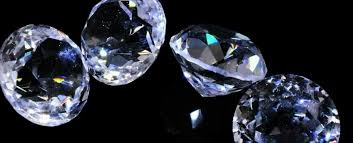
- Stunning Brilliance: Precision facets make them sparkle more than regular glass or plastic stones
- Affordable Luxury: They offer the look of high-end gems without the high price tag
- Durable and Long-Lasting: With proper care, they retain their shine for years
- Eco-Friendly Options: The company now also produces lead-free crystals
- Design Consistency: Ideal for mass production or symmetrical designs due to uniform shape and quality
Disadvantages of Swarovski Crystals
Despite their beauty, Swarovski crystals are not without limitations:
- Not Real Gemstones: They are glass-based, not natural or precious stones
- Can Chip or Scratch: Though durable, they’re still softer than real gemstones
- Lower Resale Value: They don’t appreciate like gold or diamonds
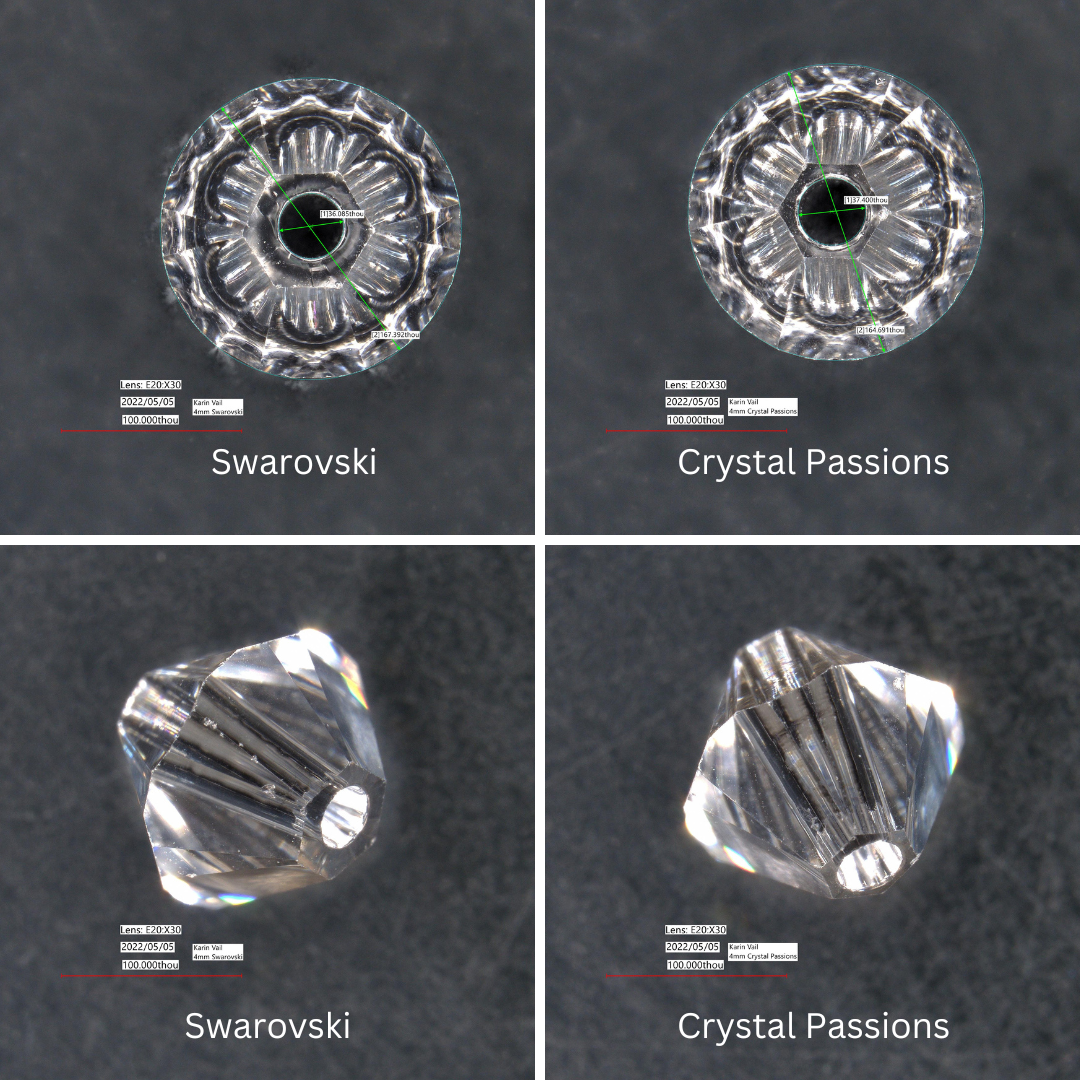
- Easily Imitated: Many fakes exist, making it harder to identify genuine Swarovski pieces
Caring for Swarovski Crystals

To maintain their sparkle:
- Clean gently using a soft cloth and mild soap if needed
- Avoid chemicals like perfumes, hair sprays, and cleaning agents
- Store separately to avoid scratching
- Handle with care, especially for items with glue-based settings
Regular gentle cleaning and smart storage will help your Swarovski pieces last for years.
Swarovski Crystals vs. Other Alternatives
It’s important to understand how Swarovski compares with other types of crystals:
| Feature | Swarovski Crystals | Cubic Zirconia | Diamonds |
| Material | High-quality glass | Lab-created crystal | Natural carbon crystal |
| Sparkle | Very high | Extremely high | Highest |
| Durability | Moderate | High | Very high |
| Price | Affordable | Moderate | Very expensive |
| Real Gem Value | No | No | Yes |
Swarovski stands out in terms of affordability and consistency, but lacks the investment value of natural gems.
Why Are Swarovski Crystals Important?
Swarovski crystals play a significant role in modern design because they bridge the gap between elegance and affordability. Whether in a bridal necklace or a fashion designer’s latest collection, these crystals offer beauty and brilliance without the high cost of genuine diamonds or gemstones.
They also represent a triumph of engineering and design innovation—turning simple glass into something stunningly luxurious.
Final Thoughts
So, what are Swarovski crystals? They are finely cut, high-quality crystals made from industrial glass—crafted with precision to offer unmatched sparkle and elegance. While not gemstones, their clarity, affordability, and versatility have made them a staple in jewelry, fashion, and art around the world.
Whether you’re buying your first Swarovski piece or exploring them for design projects, now you know exactly what makes them shine—and why they’re still so beloved.